
 EN
EN
 FR
FR DE
DE JA
JA KO
KO RU
RU ES
ES AR
AR IT
IT
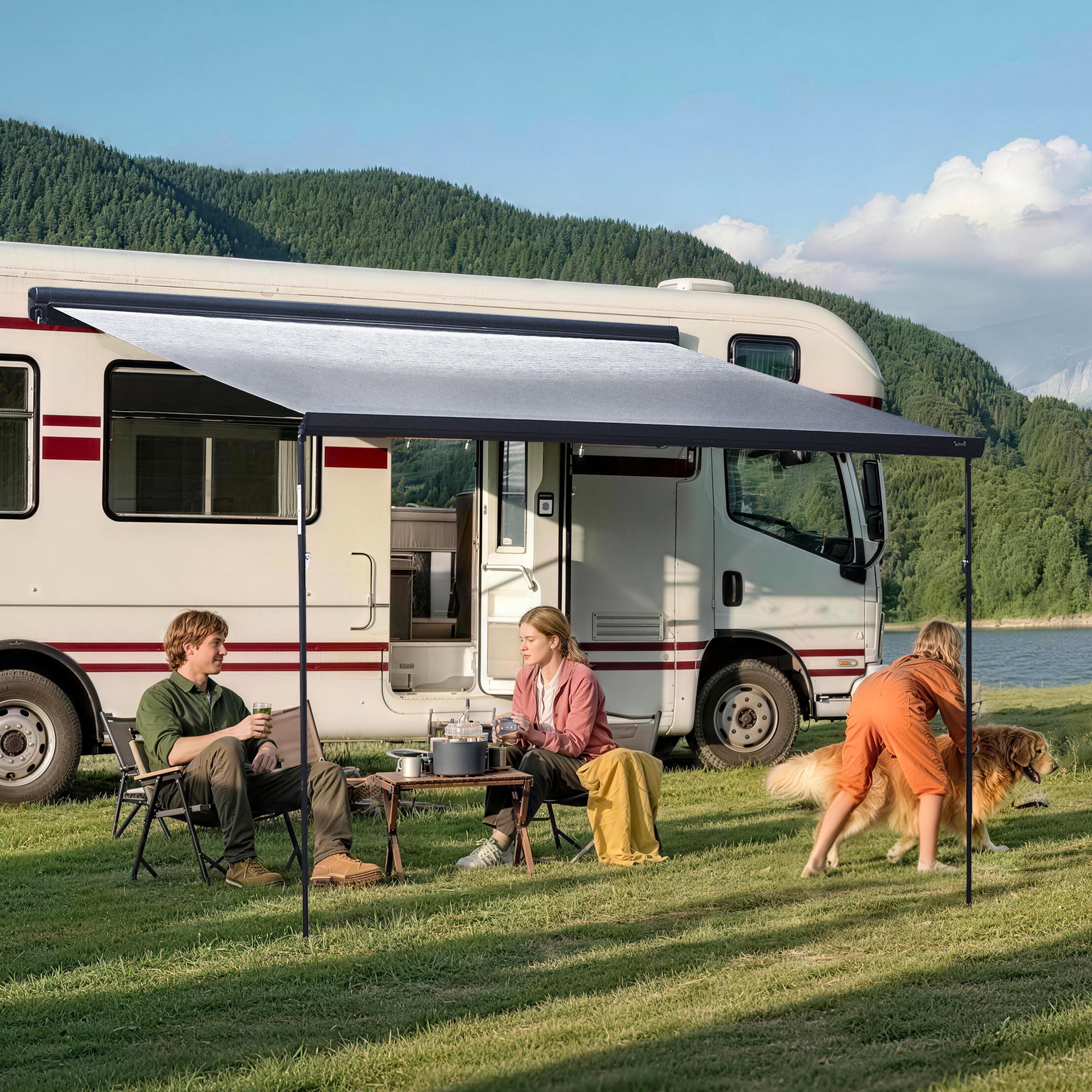
La elección de un toldo para autocaravana suele comenzar con una pregunta sencilla: ¿deberías optar por un toldo de cajón completo o un toldo extensible ? A primera vista, ambos parecen cumplir la misma función: generan sombra, hacen que el lugar de acampada sea más confortable y ayudan a convertir el lateral de una autocaravana, caravana o furgoneta en un espacio exterior habitable más funcional.
Pero cuando empiezas a considerar dónde acampas realmente, con qué frecuencia te desplazas y qué tipo de clima experimenta tu vehículo en carretera, las diferencias se vuelven mucho más evidentes.
Una familia que estaciona una caravana en el mismo lugar durante semanas puede dar mayor importancia a una amplia cobertura de sombra. Un propietario de una furgoneta que conduce por caminos forestales, rutas costeras o zonas con cambios climáticos puede preocuparse más por la protección que ofrece la marquesina cuando está cerrada. Alguien que planea estancias prolongadas fuera de la red eléctrica también podría estar valorando si una marquesina solar resulta adecuada.
Por eso una buena Comparación de marquesinas para vehículos recreativos no debe comenzar con «¿cuál es mejor?». Debe comenzar con una pregunta más práctica: ¿qué marquesina se adapta a su forma de viajar?
La diferencia sencilla entre Casete completo y Toldos desplegables
A toldo de cajón completo está diseñada de modo que la tela queda completamente encapsulada dentro de una carcasa protectora cuando la marquesina está retraída. Esta carcasa ayuda a proteger la tela y las piezas internas de la lluvia, el polvo, los arañazos y la exposición al exterior mientras el vehículo está en movimiento o estacionado.
Esto hace que los diseños de toldo con caja completa sean especialmente útiles para viajeros que se desplazan con frecuencia, circulan por carreteras estrechas o desean proteger la tela del toldo cuando no está en uso. En una furgoneta o autocaravana, donde el toldo puede permanecer expuesto durante muchas horas al viento, al polvo de la carretera, a ramas y a cambios climáticos, este diseño cerrado puede suponer una ventaja práctica.
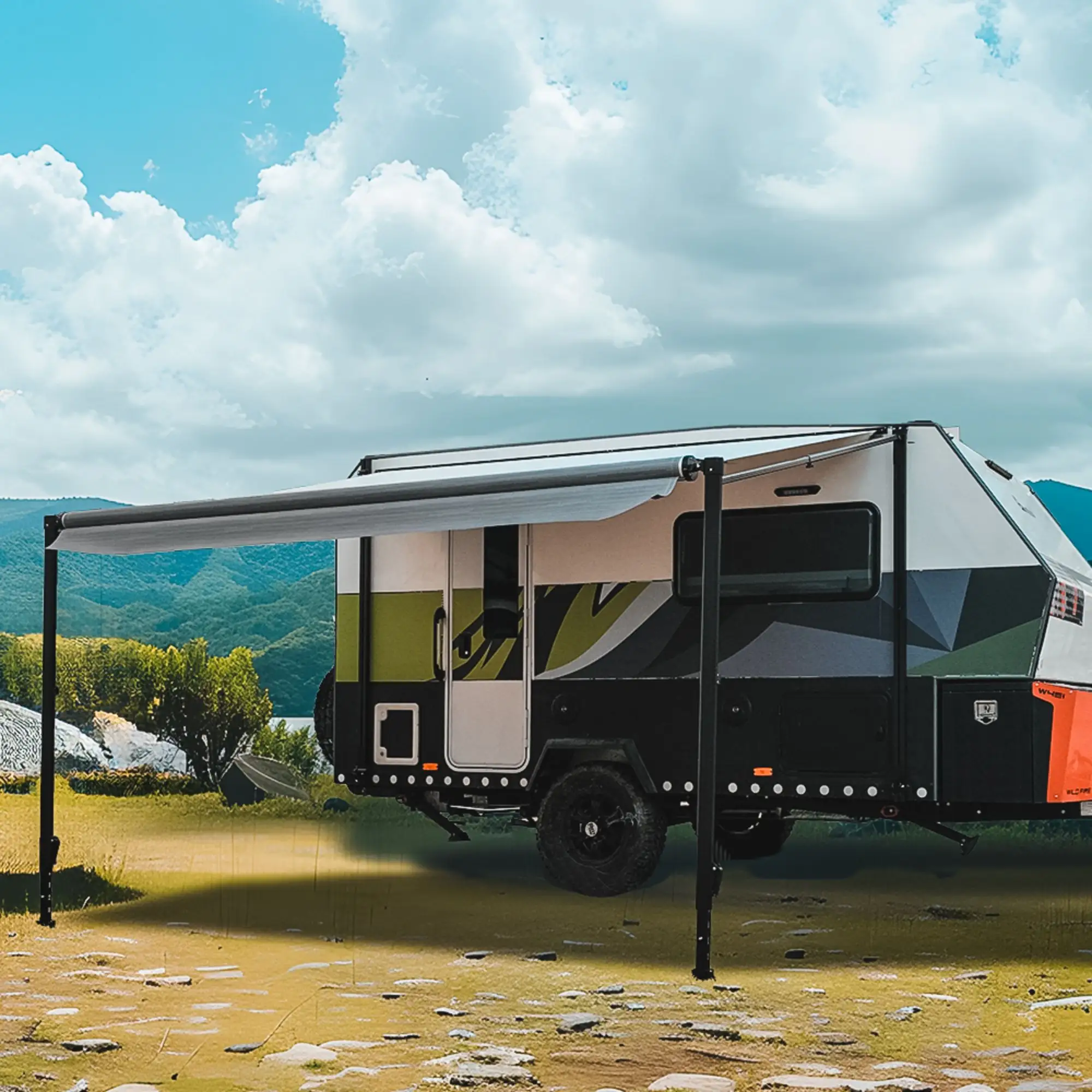
A toldo extensible , por otro lado, está concebido para ofrecer una mayor superficie de sombra y un uso sencillo en el camping. La tela se enrolla alrededor del tubo en lugar de desaparecer completamente dentro de una carcasa tipo caja. Este tipo de toldo es habitual en caravanas, remolques para viajes, remolques de quinta rueda y autocaravanas más grandes, donde la prioridad suele ser la superficie sombreada.
En otras palabras, un toldo con caja completa suele centrarse en la protección durante el almacenamiento y una estructura cerrada más limpia , mientras que un toldo extensible suele centrarse en una mayor superficie sombreada y la comodidad diaria en el camping .
Cuándo resulta más adecuado un toldo con caja completa
Un toldo de caja completa es una excelente opción para los viajeros que se desplazan con frecuencia. Si su autocaravana o furgoneta cambia a menudo de emplazamiento, circula por calles estrechas o permanece estacionada en condiciones exteriores expuestas, la forma en que el toldo se guarda resulta tan importante como la forma en que se despliega.
Imagínese una furgoneta camper conduciéndose por un camino arbolado. Incluso con el toldo cerrado, el lateral del vehículo puede rozar ramas, polvo, lluvia o restos. En este tipo de entorno, guardar la tela dentro de una carcasa de aluminio ayuda a reducir innecesariamente su exposición. Para muchos propietarios de furgonetas, esta es una de las razones más importantes para considerar un diseño de caja completa.
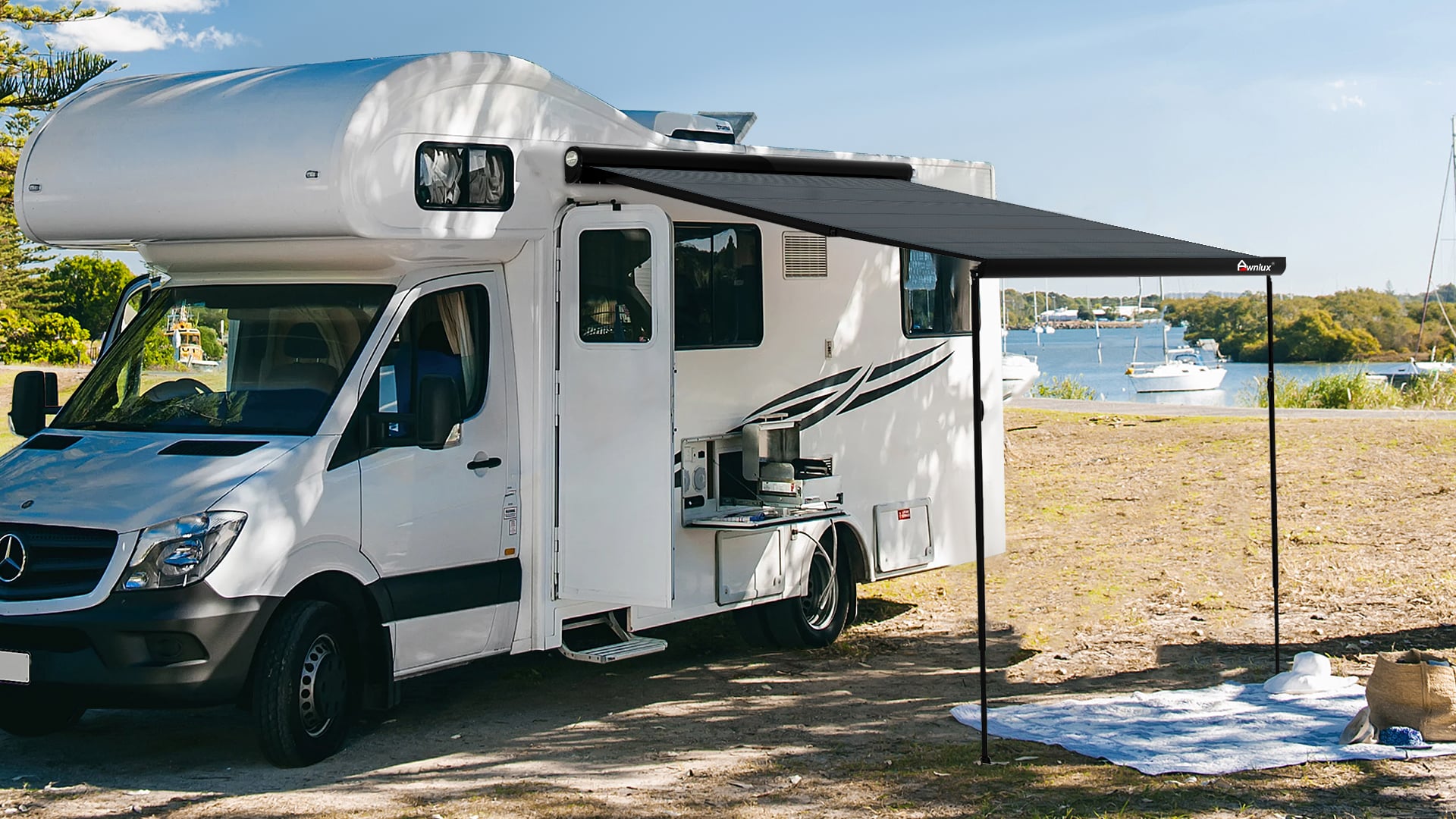
Las toldos de caja completa también tienen sentido cuando el vehículo tiene una configuración más compacta o premium. Modelos como el Awnlux W5510 y W5810 se posicionan en torno a un diseño ligero de estilo europeo, mientras que opciones como el W5800 y el W5900 resultan más adecuadas cuando los compradores buscan una estructura más robusta o soluciones orientadas al montaje en el techo y de uso intensivo. El modelo exacto depende de la carrocería del vehículo, la posición de montaje y el tamaño de sombra requerido, pero la lógica de selección es similar: elija un toldo de caja completa cuando la protección durante el almacenamiento y el transporte sea un factor clave.
Este tipo de toldo también puede ser una buena opción para usuarios que consideran la energía solar. Un toldo solar de caja completa como el SA5900 está diseñado para su uso en autocaravanas, combinando sombra con tecnología solar flexible de CIGS. Para los compradores que desean soporte solar sin dejar expuesta la tela cuando el toldo está cerrado, este tipo de estructura merece ser considerada.
Dicho esto, un toldo con caja no debe considerarse una razón para dejarlo desplegado en condiciones meteorológicas adversas. En viento fuerte o lluvia intensa, la opción más segura sigue siendo recoger el toldo. El valor de la caja radica principalmente en cómo protege la tela cuando el toldo está cerrado, no en fomentar su uso durante condiciones severas.
Cuándo un toldo extensible es la opción más adecuada
Un toldo extensible suele ser la opción más práctica cuando la superficie sombreada es la prioridad principal. Si utiliza una autocaravana, una remolque tipo quinta rueda o una autocaravana más grande y pasa períodos prolongados en un camping, es posible que le preocupe menos el almacenamiento compacto y más la creación de un espacio exterior confortable.
Aquí es donde los toldos extensibles destacan de forma natural. Pueden cubrir una superficie mayor a lo largo del lateral del vehículo, lo que los hace útiles para cocinar al aire libre, relajarse cerca de la entrada o crear un espacio sombreado para la familia y los invitados. Para el camping estacional o la residencia prolongada en un lugar fijo, esa superficie sombreada adicional puede tener más importancia que el aspecto cerrado de un diseño con caja.
Los modelos desplegables de Awnlux, como el W5600 y el W5700, están diseñados pensando en este tipo de uso. La opción manual resulta adecuada para los usuarios que prefieren una configuración más sencilla, mientras que la versión eléctrica añade la comodidad del control remoto y de los sensores de viento. En el caso de una lona de mayor tamaño, poder extenderla o recogerla con mayor facilidad puede hacer que su uso cotidiano en el camping resulte mucho más fluido.
También merece considerarse la opción de lonas solares desplegables, como las series SA5600 y SA5700, especialmente para los usuarios de caravanas que desean tanto sombra como generación adicional de energía solar. Estos modelos cobran mayor relevancia cuando el comprador busca una superficie solar más amplia, combinada con el funcionamiento desplegable tan conocido y habitual.
El compromiso es que las toldos extensibles requieren un poco más de atención en cuanto al almacenamiento y la exposición a las condiciones climáticas. Dado que la tela no está completamente protegida de la misma manera que en un toldo con caja completa, los usuarios deben ser más conscientes de la exposición prolongada, del almacenamiento en mojado y de las condiciones adversas durante el transporte. Para muchos propietarios de caravanas, este es un compromiso razonable, ya que una mayor superficie de sombra resulta más valiosa para su forma de acampar.
Piense en los caminos que recorre, no solo en el lugar de acampada
Muchas personas eligen un toldo basándose en su apariencia cuando está completamente desplegado en un lugar de acampada. Esto es comprensible, pero constituye solo la mitad de la historia. Un toldo para autocaravana pasa gran parte de su vida plegado: lo está mientras se conduce, cuando está estacionado al aire libre, durante el almacenamiento entre viajes y al estar expuesto a cambios climáticos.
Si sus viajes implican desplazamientos frecuentes, rutas fuera de carretera, caminos forestales o largos trayectos entre áreas de acampada, una lona retráctil con caja completa suele resultar más adecuada. La carcasa cerrada ayuda a proteger la tela mientras el vehículo está en movimiento o estacionado en entornos menos predecibles.
Si sus viajes son más estacionarios, con estancias prolongadas en áreas de acampada establecidas, una lona extensible puede ser la opción más cómoda. Obtendrá mayor sombra, una cobertura más sencilla del área de acampada y una disposición que se adapta mejor a la vida en autocaravanas y remolques.
Esta es una de las formas más útiles de abordar un guía para la selección de lonas : no empiece por la lona en sí. Empiece por su patrón de viaje.
Las condiciones meteorológicas deben influir en la decisión
El clima es otro factor importante en la toma de decisiones. Una lona retráctil con caja completa es generalmente más adecuada cuando la lona estará expuesta a lluvia, polvo, viento o restos de la carretera mientras esté cerrada. La carcasa ofrece a la tela una capa adicional de protección durante el almacenamiento.
En entornos ventosos o lluviosos, también es importante distinguir dos conceptos: diseño Resistente al Clima y hábitos de uso seguro . Un bastidor más resistente, una carcasa protectora o un sensor de viento pueden ayudar, pero ninguna toldo para autocaravana debe considerarse algo que se puede dejar desplegado durante vientos fuertes o lluvias intensas. Cuando cambie el tiempo, recoger el toldo sigue siendo la práctica adecuada.
Los toldos extensibles también funcionan bien en condiciones exteriores cotidianas, especialmente si se utilizan con responsabilidad. Los modelos eléctricos extensibles con control remoto y funciones de sensor de viento facilitan una respuesta rápida ante los cambios meteorológicos. Para los usuarios que permanecen cerca del lugar de acampada y desean una amplia sombra, esta opción representa un equilibrio práctico.
En zonas costeras, regiones polvorientas o lugares donde el toldo pueda permanecer sin usar durante largos períodos, la protección durante el almacenamiento adquiere mayor importancia. Esto no descarta automáticamente los toldos extensibles, pero sí hace que la opción de caja completa resulte más atractiva para quienes buscan una estructura cerrada más limpia.
¿Qué ocurre con los toldos solares?
Las toldos solares añaden otra capa a la toma de decisiones. En lugar de preguntarse únicamente cuánta sombra necesita, también debe considerar cómo se integra el toldo en su sistema de generación de energía.
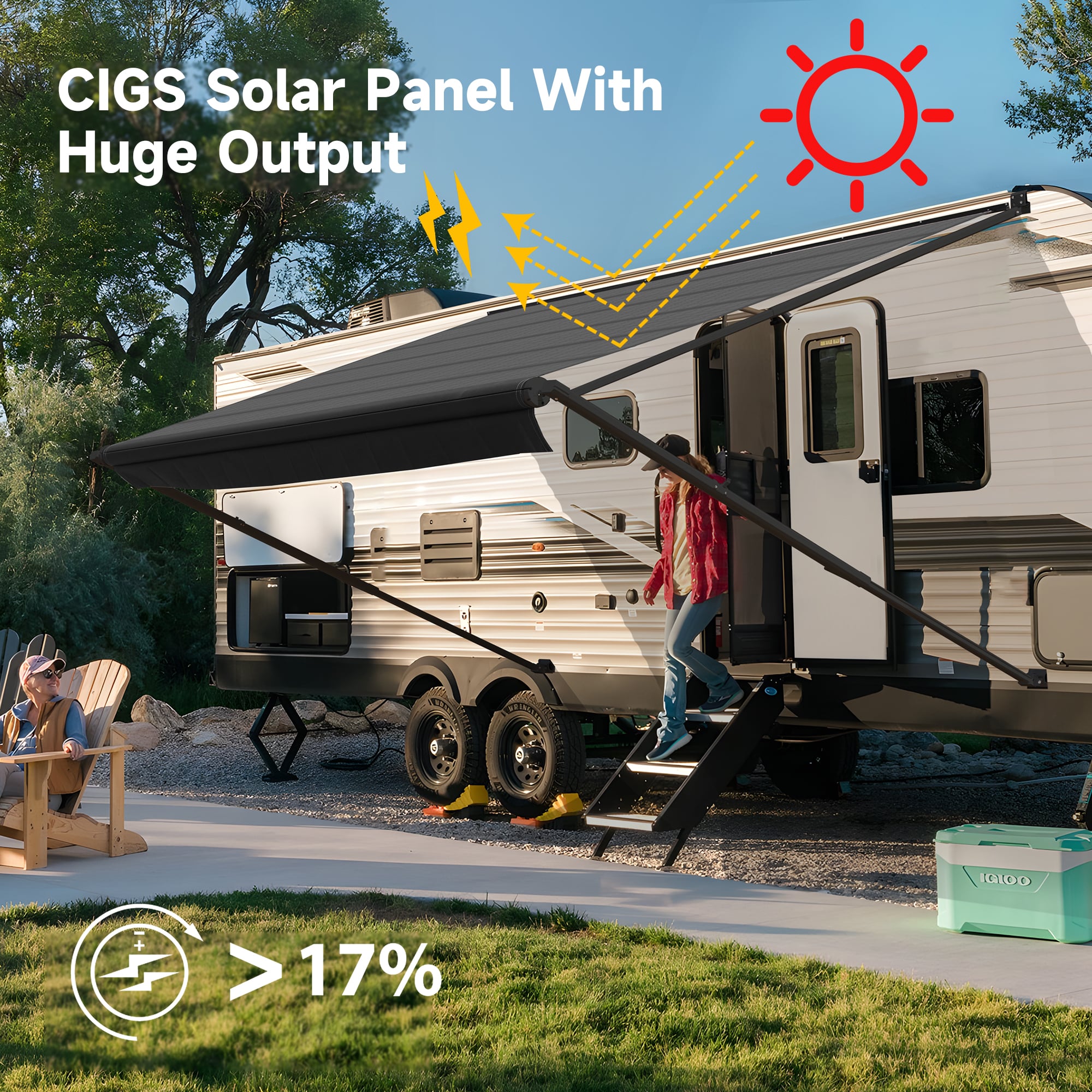
Los toldos solares Awnlux utilizan tecnología solar flexible CIGS. Esto es relevante porque las autocaravanas y caravanas están en constante movimiento, vibración y estacionamiento bajo distintas condiciones de iluminación. Una superficie solar flexible se adapta mejor a este tipo de entorno móvil que una idea rígida de paneles solares fijados únicamente al techo.
Para los usuarios de autocaravanas que desean una estructura cerrada, un toldo solar de caja completa, como el modelo SA5900, puede ser la opción más adecuada. Para los usuarios de caravanas que buscan una mayor superficie sombreada y una mayor generación solar, los modelos solares extensibles, como los SA5600 o SA5700, pueden resultar más prácticos.
Antes de elegir una pérgola solar, los compradores también deben considerar el sistema eléctrico. La pérgola debe conectarse correctamente a la instalación de baterías de la autocaravana, y el rendimiento de carga dependerá de la exposición solar, la compatibilidad del regulador, la capacidad de la batería y las condiciones reales de uso. Una pérgola solar puede ser una mejora inteligente, pero debe seleccionarse como parte integrante del sistema eléctrico completo, no como una característica independiente.
Una forma práctica de elegir
Si aún está decidiendo entre una pérgola con caja completa y una pérgola extensible, la forma más sencilla es elegir la pérgola según su estilo de acampada.
Elegir una toldo de cajón completo si viaja con frecuencia, conduce una furgoneta o autocaravana, transita por caminos forestales o rutas expuestas, o desea que la tela de la pérgola quede mejor protegida al estar cerrada. También es una opción sólida si prefiere un aspecto exterior más limpio y cerrado.
Elegir una toldo extensible si utiliza una caravana, una quinta rueda o una autocaravana más grande y desea un área sombreada más amplia para estancias prolongadas en campings. Es especialmente práctico cuando su vehículo pasa más tiempo estacionado que en movimiento y cuando el espacio exterior para vivir tiene mayor prioridad que el almacenamiento compacto.
Si está considerando la energía solar, piense si su vehículo se adapta mejor a una marquesina solar con caja integrada o a una marquesina solar desplegable. Los usuarios de autocaravanas probablemente prefieran la opción cerrada SA5900, mientras que los usuarios de caravanas pueden encontrar que los modelos SA5600 o SA5700 ofrecen una cobertura más adecuada para superficies mayores.
Reflexiones finales
La mejor marquesina para autocaravanas no es la que tenga el nombre más impresionante ni la lista de características más extensa. Es aquella que se adapta perfectamente a su vehículo, a su ritmo de viaje y a los entornos en los que realmente acampa.
A toldo de cajón completo es una opción más adecuada cuando la protección, los desplazamientos frecuentes y la durabilidad en estado plegado son prioridades altas. Una toldo extensible es una opción más adecuada cuando la cobertura de sombra, la comodidad en el camping y el uso prolongado en posición estacionaria tienen mayor importancia.
Para muchos propietarios de autocaravanas, la elección adecuada se vuelve clara una vez que dejan de comparar las pérgolas de forma aislada y comienzan a pensar en su uso real: con qué frecuencia se desplaza el vehículo, dónde se estaciona, cuánta sombra se necesita y cómo se cuidará la pérgola con el paso del tiempo.
Esta es la forma más práctica de elegir entre una pérgola con caja completa y una pérgola extensible: no preguntándose cuál es universalmente mejor, sino cuál facilita, hace más segura y mejora su experiencia de acampada.