
 EN
EN
 FR
FR DE
DE JA
JA KO
KO RU
RU ES
ES AR
AR IT
IT
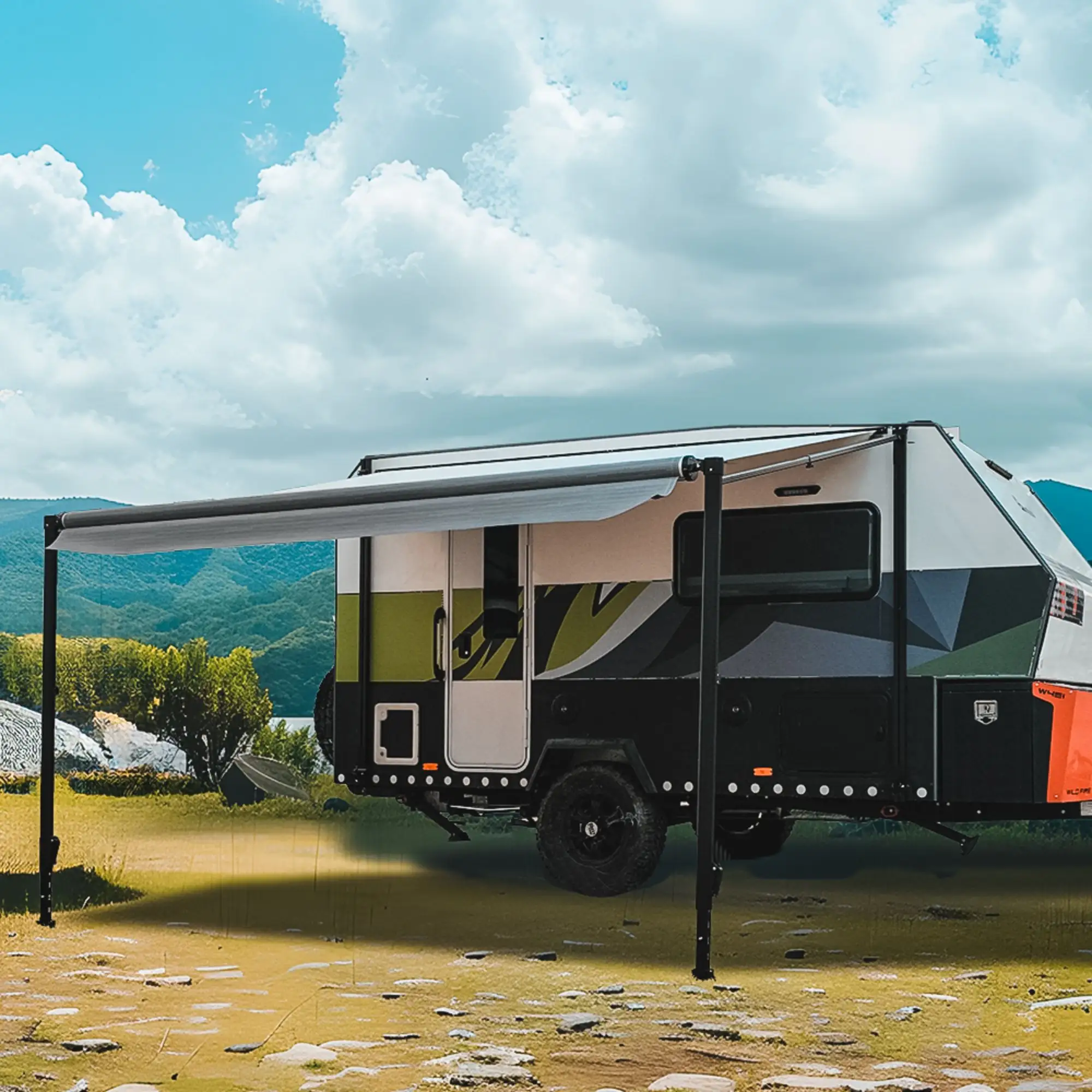
Choosing the best RV awning for wind and rain is less about finding an awning that can ignore the weather, and more about choosing a setup that helps you react to it wisely. Anyone who has spent time at a campsite knows how quickly conditions can change. A calm afternoon can turn into a windy evening, and a light drizzle can become a steady rain before you have finished packing away the outdoor chairs.
That is why a weather resistant awning should be judged by more than its fabric or frame alone. The real question is how the awning behaves before, during, and after changing weather. Does it store the fabric well when closed? Is it easy to retract when the wind picks up? Does the structure suit the vehicle and the way the RV is used? These details matter more in real camping life than any single feature name.
Wind Changes How You Use an Awning
Wind is one of the most important conditions to consider because an awning creates a large surface area when extended. Even a well-built awning should be used with care when wind conditions change. In practice, the safest habit is simple: when strong wind develops, retract the awning rather than trying to leave it open.
This is where structure and convenience become important. A full cassette awning can be a good option for travelers who often camp in exposed areas or move through changing conditions. When the awning is closed, the fabric is stored inside the housing, which helps reduce exposure while the vehicle is driving or parked. For users who travel through open highways, coastal roads, or forest tracks, that stored protection can be just as important as the shade it provides when open.
Awnlux models such as W5900 and W5800 can be mentioned in this context because they are positioned for stronger structure and demanding vehicle applications. They should not be treated as a reason to keep an awning open in severe weather, but they do make sense for buyers who want a more robust direction for travel and storage.
Why Fast Retraction Matters in Windy Campsites
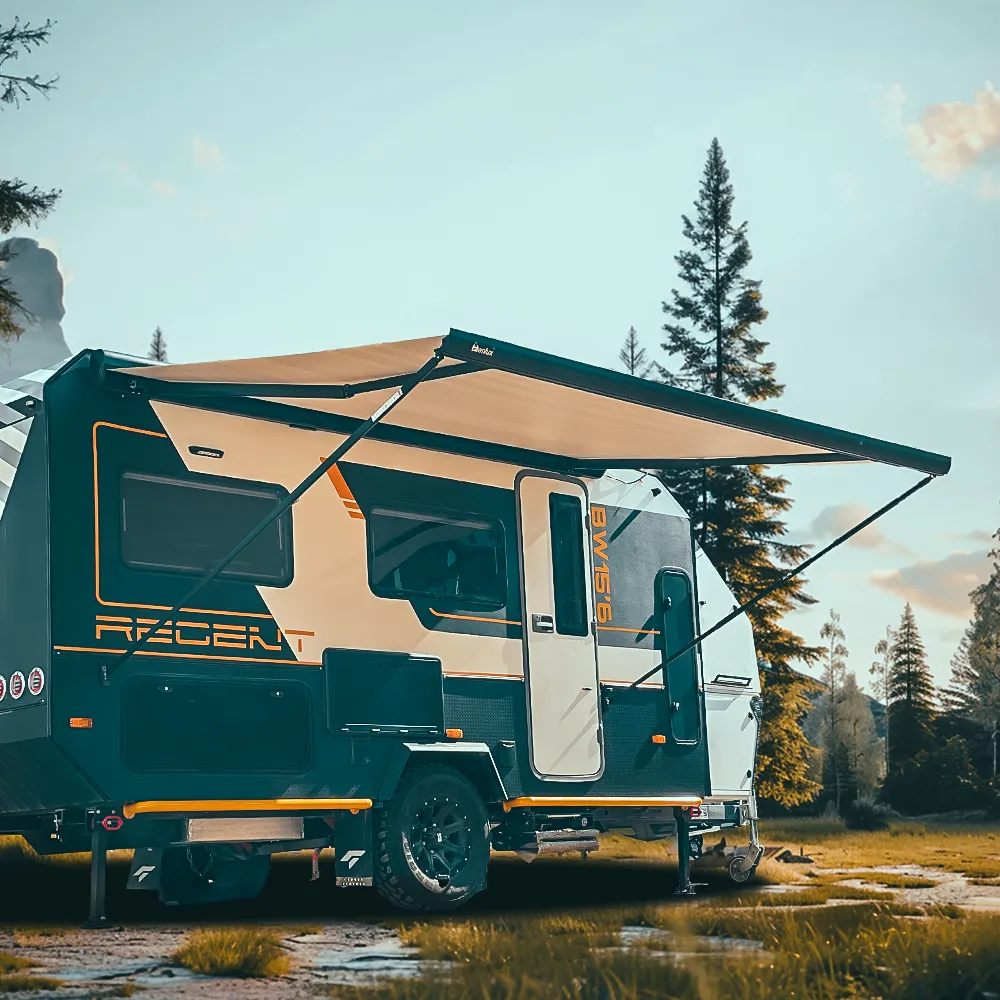
When the weather changes, the ability to retract the awning quickly can make the difference between a smooth campsite adjustment and a stressful one. This is one reason electric awnings are attractive for many RV users. A motorized setup can make it easier to bring the awning in without walking back and forth or struggling with a large manual structure.
For a roll-out awning, this convenience can be especially valuable. Roll-out designs are often selected for larger shade coverage, which also means there is more fabric exposed when the awning is open. An electric roll-out option such as W5700 fits naturally into this kind of use case because remote operation and wind-sensor-related functionality can make everyday campsite management easier.
The key is to think of the wind sensor as a helpful support feature, not a replacement for good judgment. A wind sensor can help the awning respond when conditions change, but users should still retract the awning when wind or heavy rain becomes a concern.
Rain Requires a Different Kind of Thinking
Rain creates a different set of challenges from wind. With rain, the issue is not only whether the awning can block water while open. It is also how the fabric is treated after it becomes wet, whether water collects in the wrong places, and how well the awning is protected when stored.
For frequent rain exposure, a full cassette awning has a clear practical appeal. When closed, the fabric is not left as exposed as it would be on a more open roller structure. This can be helpful for RV owners who travel through damp regions or park outdoors for long periods.
That said, roll-out awnings still have an important place in rainy camping environments, especially when the user values larger coverage. A roll-out awning can provide a useful sheltered area for getting in and out of the RV, cooking outside, or keeping part of the campsite more comfortable during light rain. What matters is how it is used. If rain becomes heavy or wind begins to build, retracting the awning is the more responsible choice.
After rain, it is also important not to treat storage as an afterthought. If the awning is packed away while wet, it should be opened again when conditions allow so the fabric can dry properly. This simple habit can help reduce moisture-related issues over time.
Full Cassette or Roll-Out for Wind and Rain?
The choice between a full cassette awning and a roll-out awning depends on which problem matters more for your style of travel.
If you drive frequently, camp in changing weather, or want better protection while the awning is closed, a full cassette design will usually feel more reassuring. It keeps the fabric enclosed when not in use and suits travelers who think about the awning as part of the vehicle’s exterior protection.
If you spend more time parked at established campsites and want a wider shaded area, a roll-out awning may be more practical. For larger caravans, trailers, and family camping setups, the extra coverage can be more important than the enclosed storage style. In this case, choosing an electric version with easier retraction can make windy or rainy days easier to manage.
The best choice is not always one structure for every user. A van owner who changes locations every few days may prefer a full cassette awning. A caravan owner staying at a seasonal site may prefer a roll-out awning. A buyer who wants both shade and off-grid support may look at solar awning options and then decide whether the vehicle is better suited to a cassette or roll-out structure.
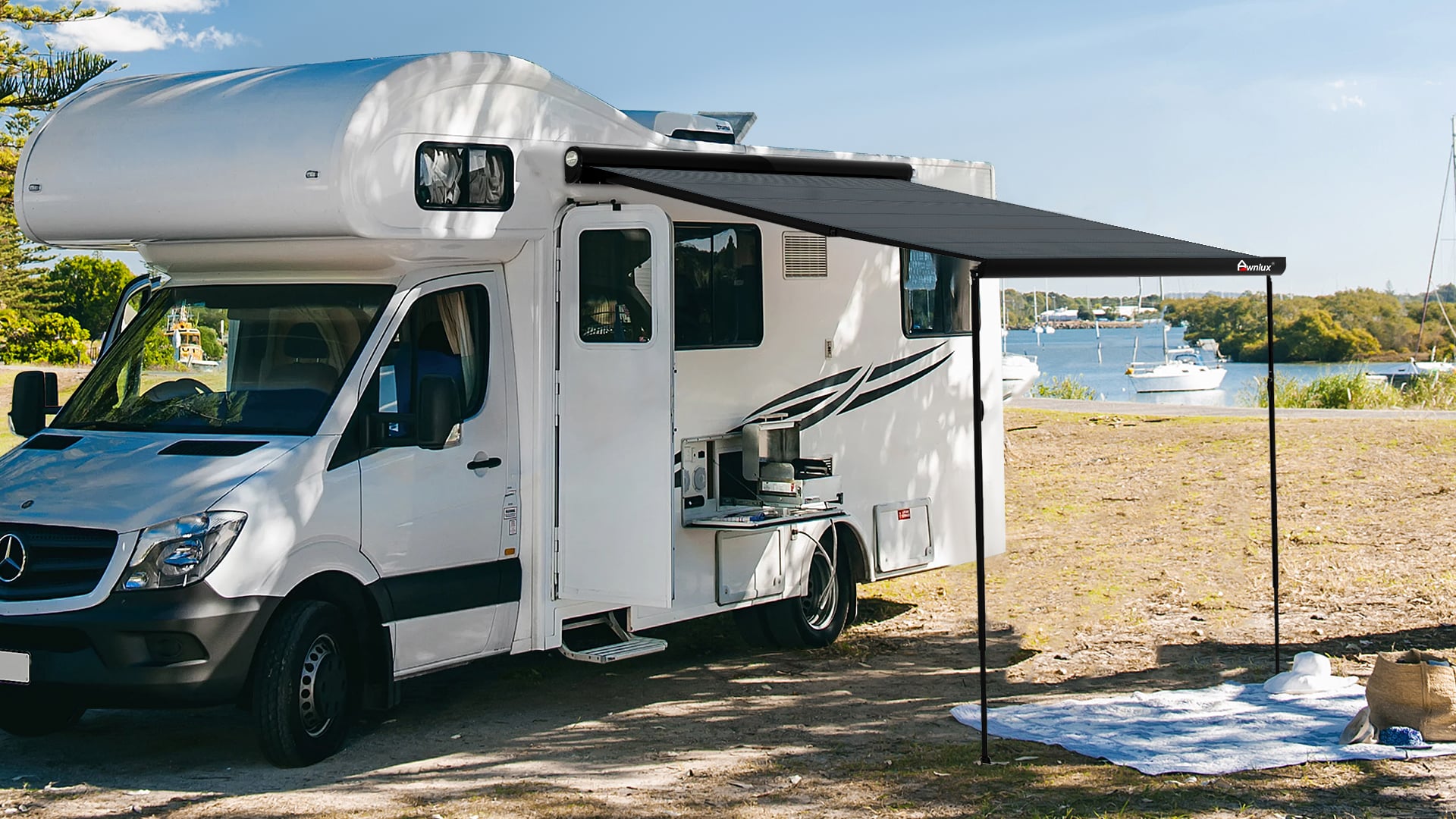
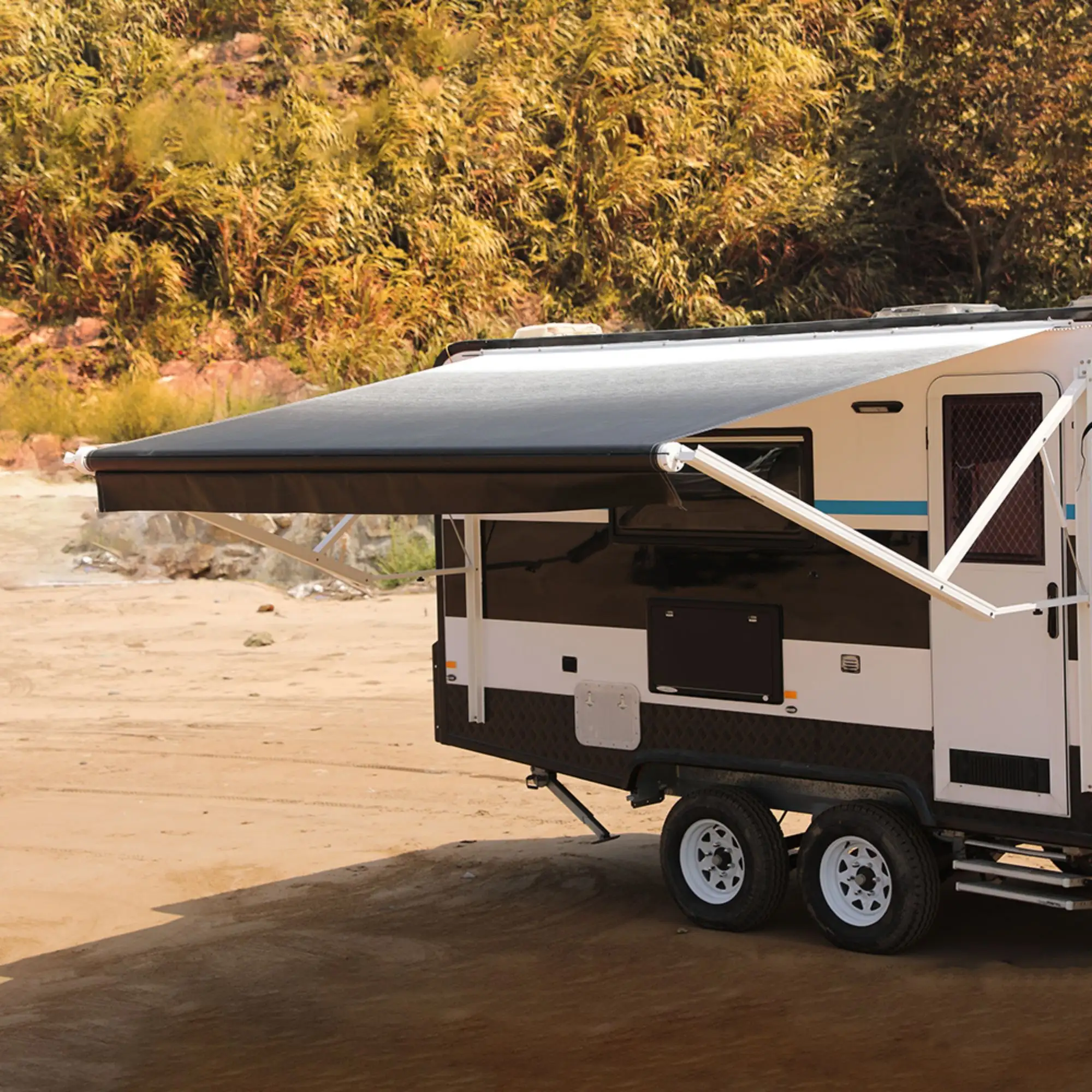
What Makes an Awning More Durable in Real Weather?
Awning durability is often discussed as if it were only about materials, but in real use it is also about habits. A durable awning is one that suits the vehicle, is used within sensible limits, and is maintained properly after exposure to weather.
For windy and rainy conditions, buyers should pay attention to four practical areas. The first is how the awning stores when closed. The second is how easily it can be retracted when the weather changes. The third is whether the structure and installation style fit the vehicle. The fourth is whether replacement parts and after-sales support are available if something needs attention later.
These are the details that matter for long-term satisfaction. A stronger frame or weather-resistant fabric helps, but it cannot compensate for leaving an awning open in unsuitable conditions or storing wet fabric for too long.
Final Advice
If you often camp in windy or rainy areas, choose an RV awning with a practical mindset. A full cassette awning is generally a better fit when stored protection, frequent travel, and changing weather are high priorities. A roll-out awning can still be the right choice when you need a larger outdoor living space, especially if the awning is easy to retract when conditions change.
The best RV awning for rain and wind is not the one that promises to fight every storm. It is the one that helps you enjoy shade comfortably, respond to weather quickly, and protect the awning properly when it is time to close it.