
 EN
EN
 FR
FR DE
DE JA
JA KO
KO RU
RU ES
ES AR
AR IT
IT
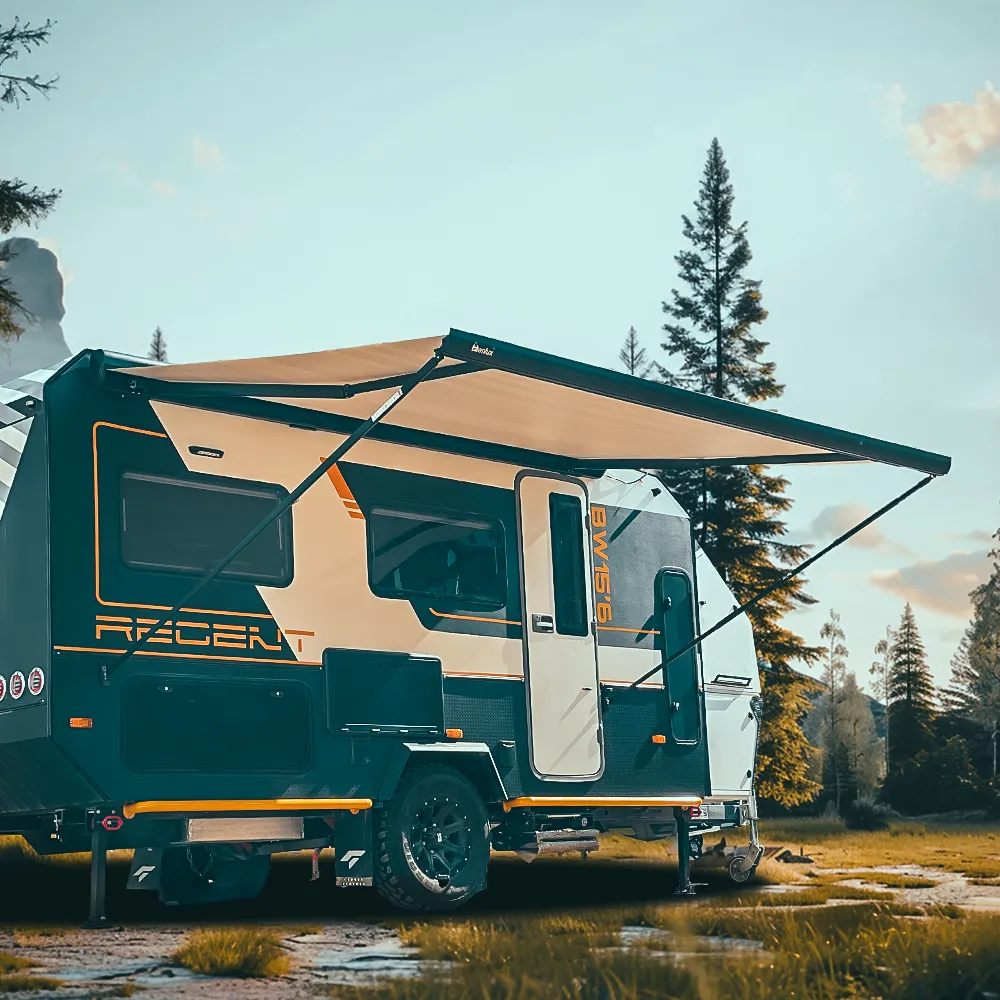
Searching for the right North America RV awning brand can feel surprisingly complicated. Many buyers start with familiar names such as Dometic or Fiamma, then quickly find themselves comparing different awning structures, installation styles, replacement parts, and after-sales expectations.
For RV owners, dealers, repair shops, and online parts sellers, the brand name is only one part of the decision. A good awning has to fit the vehicle, suit the way the RV is used, and remain serviceable after years of outdoor exposure. That is why a practical look at RV awning brands USA should focus less on ranking and more on how buyers actually compare options.
What North American Buyers Usually Care About
North American RV users often have a wide range of vehicles: travel trailers, fifth wheels, Class A motorhomes, van conversions, and towable caravans. This variety makes awning selection more than a simple brand preference.
A travel trailer owner may care most about a wide roll-out awning that creates a comfortable outdoor living area. A van owner may prefer a full cassette awning that stores neatly and stays protected while driving. A repair shop may care about replacement parts and whether the product can be serviced without unnecessary delays.
This is why buyers often compare brands through practical questions. Does the awning fit the vehicle? Is it available in the right installation type? Can the fabric, arms, or motor be replaced if needed? Is there support for dealers or repair partners? These questions matter more than a brand list alone.
Dometic and Fiamma as Familiar Reference Points
Dometic is one of the most familiar names in the RV accessory world, and many North American buyers use it as a reference point when comparing awnings. Fiamma is also widely recognized, especially among buyers familiar with European-style RV accessories and van applications.
For many users, these names help define expectations. They set a mental benchmark for what an RV awning should look like, how it should operate, and what kind of installation style may be common. But choosing an awning only by brand familiarity can be limiting.
The better approach is to ask what role the awning needs to play. If the priority is a large shade area for a trailer, a roll-out direction may be more relevant. If the priority is compact protection for a van or motorhome, a cassette design may make more sense. If solar generation is part of the plan, the buyer needs to consider power system compatibility as well.
Other Brands Buyers May Compare
In North America, buyers may also come across Carefree of Colorado, Lippert/Solera, ShadePro, and other RV awning-related names. These brands appear in many buyer discussions because they are connected to common RV use cases such as electric roll-out awnings, slide toppers, manual awnings, and replacement parts.
Rather than treating these brands as a simple ranking, it is more useful to think of them as different reference points. Some buyers compare electric convenience. Others compare fabric replacement, frame strength, slide-out protection, or after-sales access.
A dealer may look at a brand differently from an individual RV owner. The dealer wants a product that can be explained clearly, installed properly, and supported after sale. The RV owner wants something that works smoothly at the campsite and does not become difficult to maintain later.
Where Awnlux Fits in the Comparison
Awnlux can be considered by buyers who want a broad awning range across full cassette, roll-out, slide topper, and solar awning directions. Its product line includes options for vans, motorhomes, caravans, travel trailers, and related RV applications.
For a buyer comparing a Dometic competitor or alternative RV awning supplier, the practical value is not simply that another brand exists. The value is whether the brand offers the right structure for the vehicle and use case.
For example, a van-focused buyer may look at full cassette options such as W5510, W5800, or W5900 depending on installation conditions and size requirements. A caravan or trailer buyer may pay more attention to roll-out awnings such as W5600 or W5700. A buyer interested in power generation may consider solar awning directions such as SA5900, SA5600, or SA5700.
The point is not to push one model into every scenario. The point is that RV awning selection should follow vehicle type, travel style, and service expectations.
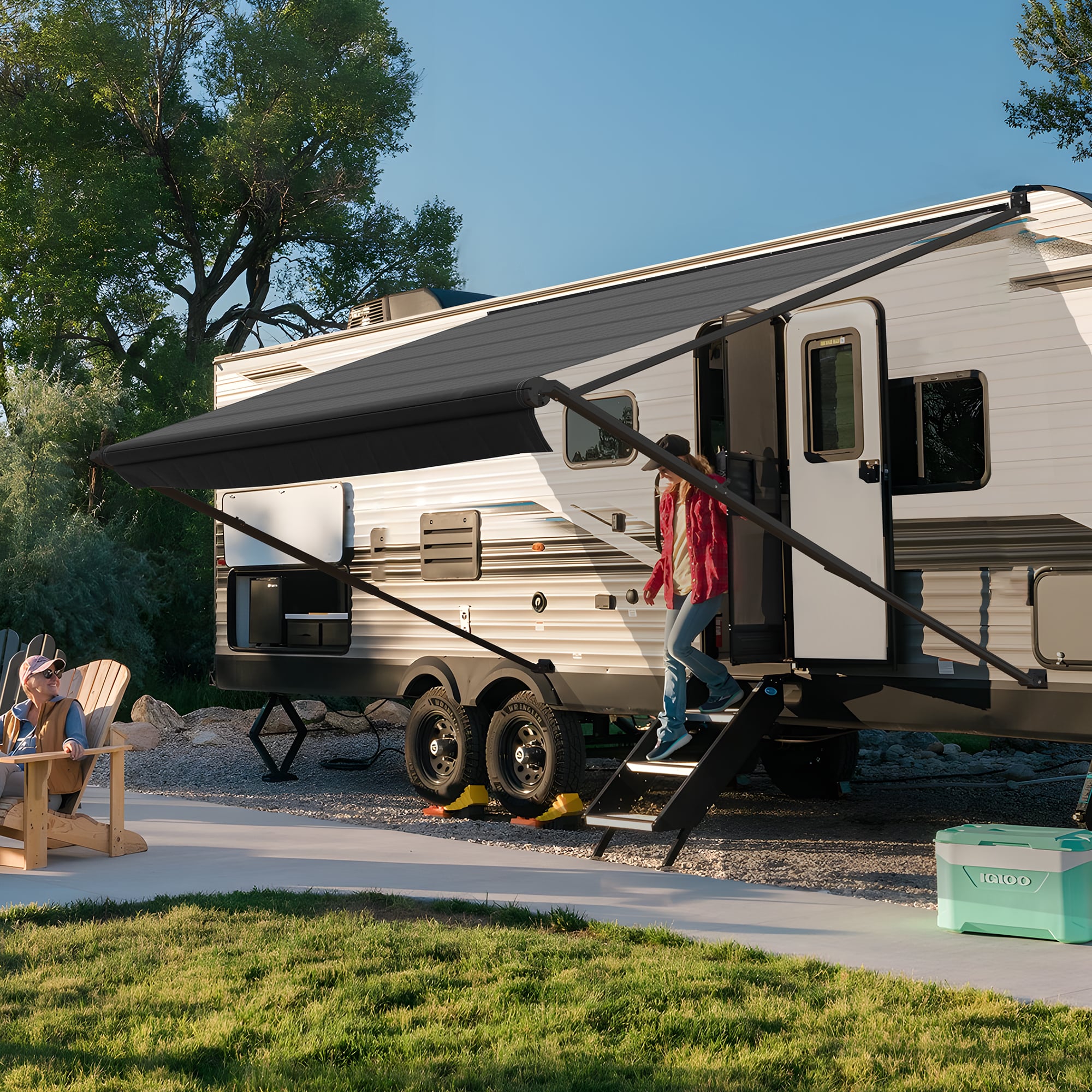
Full Cassette, Roll-Out, or Solar?
One reason brand comparison can become confusing is that different awning structures solve different problems.
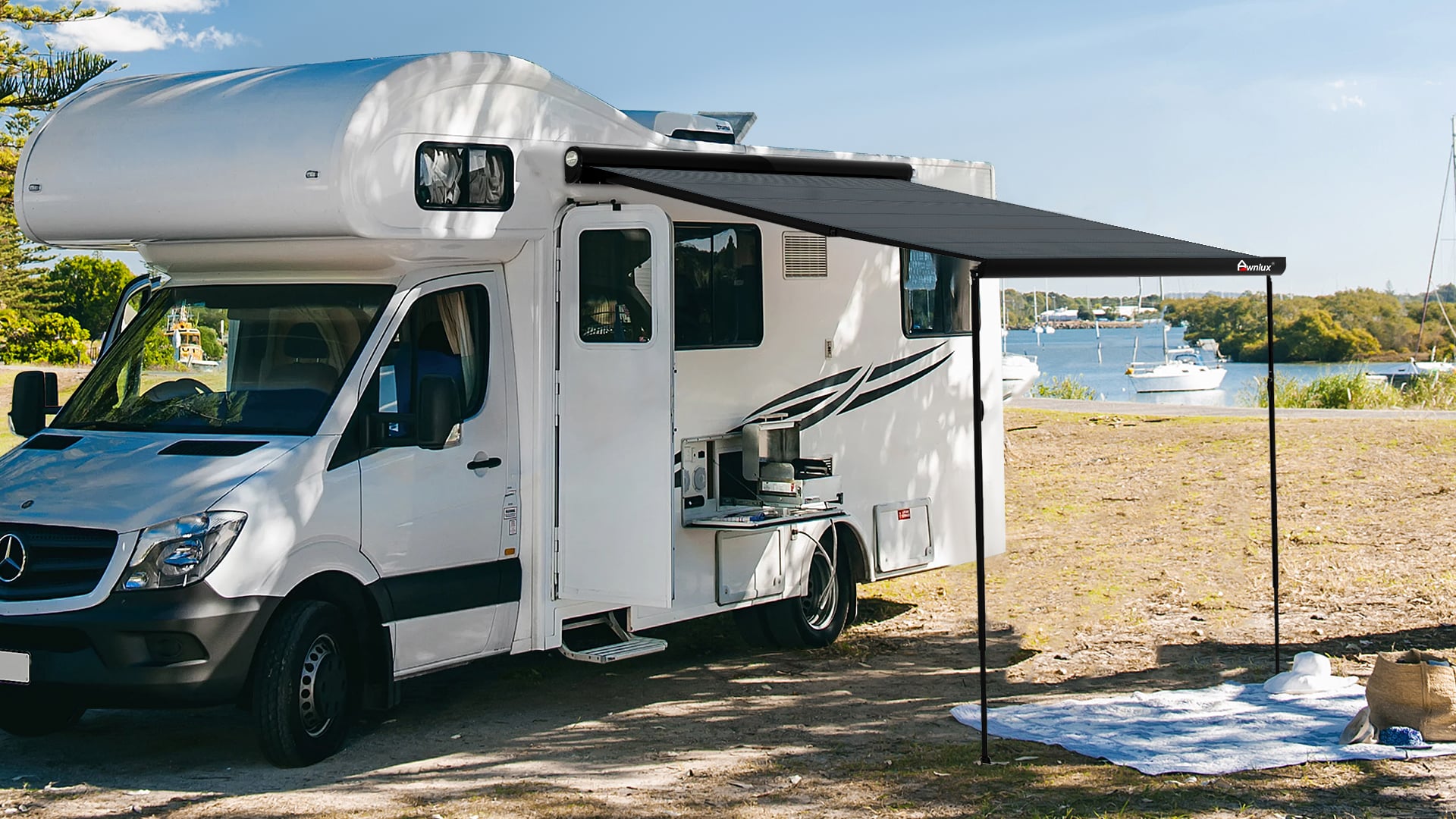
A full cassette awning is often attractive for vans and motorhomes because the fabric is enclosed when retracted. This gives the vehicle a cleaner exterior and helps protect the fabric during travel or storage.
A roll-out awning is often more suitable for travel trailers, caravans, and long-stay campsites where a larger shaded area is more important. For many North American RV owners, this outdoor living space is central to the camping experience.
A solar awning adds another layer. It is not only about shade but also about helping support an RV power setup. This can be useful for users who spend time away from shore power, but it should be chosen with battery capacity, controller compatibility, and real sunlight conditions in mind.
When comparing brands, buyers should first decide which structure matches their use. Only then does brand selection become meaningful.
After-Sales Support and Replacement Parts Matter
For North American buyers, after-sales support can be just as important as product design. RV awnings are exposed to sun, wind, rain, dust, and frequent movement. Over time, users may need replacement fabric, arms, motors, or other parts.
This is especially important for dealers and repair shops. A product that looks good at the time of purchase but is difficult to support later can create problems for both the seller and the end user. That is why replacement parts availability, product identification, and clear service channels should be part of any brand comparison.
A buyer should ask practical questions before purchasing. If the fabric is damaged, how is the replacement identified? If the motor stops working, what troubleshooting steps are available? If a part is needed, how is it shipped and supported? These questions help reveal whether a brand is suitable for long-term use, not just initial installation.
Final Advice
The best RV awning brands USA buyers consider are not always the ones with the loudest marketing. They are the brands that match the vehicle, the camping style, and the service needs behind the purchase.
Dometic, Fiamma, Carefree, Lippert/Solera, ShadePro, and Awnlux may all appear in buyer comparisons, but the right decision should come from practical fit. Look at installation type, awning structure, shade area, electric or manual operation, solar needs, and after-sales support.
A good North America RV awning brand should help users enjoy the campsite and give dealers confidence after the sale. That is the standard worth using when comparing any RV awning.