
 EN
EN
 FR
FR DE
DE JA
JA KO
KO RU
RU ES
ES AR
AR IT
IT
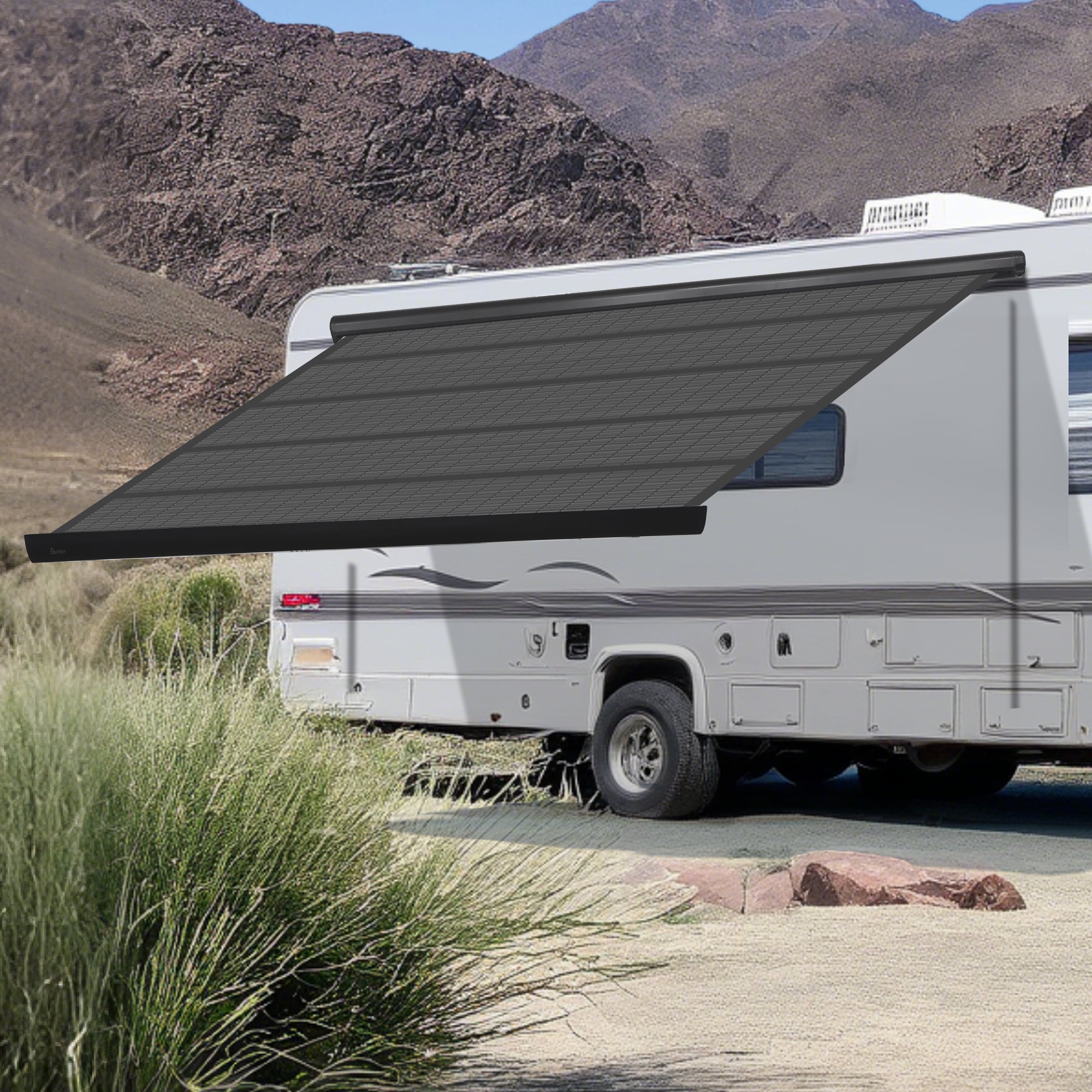
A solar awning works hard during a trip. It creates shade during the day, sits through dust and wind, may catch light rain, and in some setups also supports the RV’s power system. By the time the campsite is packed up, it is easy to close the awning and forget about it until the next journey.
But good RV maintenance checklist habits are what keep an awning easier to use over time. Awning cleaning, careful drying, basic inspection, and proper winter storage do not need to be complicated. They simply need to become part of the routine.
For an RV solar awning, maintenance is especially important because the surface is not only fabric. It may also be part of the solar generation system. Keeping it clean and storing it properly helps preserve both usability and campsite comfort.
Start with Gentle Awning Cleaning
After a trip, the awning surface may collect dust, leaves, pollen, bird droppings, or light mud. These small things may not seem urgent, but over time they can affect appearance and reduce how well sunlight reaches the solar surface.
The best cleaning habit is gentle and regular. Use clean water, mild soapy water when needed, and a soft brush or sponge. The goal is to loosen dirt without damaging the surface. Harsh chemicals, abrasive cleaners, and high-pressure washing should be avoided because they can be too aggressive for the awning surface.
This type of cleaning is not difficult. It can be done after dusty trips, after parking under trees, or before long storage. For many users, a simple monthly check during active travel seasons is a practical rhythm.
The important thing is consistency. A solar awning does not need dramatic maintenance, but it benefits from not being ignored.
Keep the Solar Surface Clear
For a solar awning, cleanliness is not only about appearance. Leaves, dirt, and bird droppings can block sunlight from reaching part of the solar surface. Even if the awning can still generate under partial shading, less exposed surface generally means less useful output.
This is why users who rely on solar support should pay attention to campsite conditions. Parking under trees may be comfortable, but it can also create shade and debris. After windy or dusty days, a quick visual check can help identify whether cleaning is needed.
The awning does not need to look brand new after every trip. It simply needs to be kept clear enough to work as intended and to avoid long-term buildup.
Dry the Awning Before Long Storage
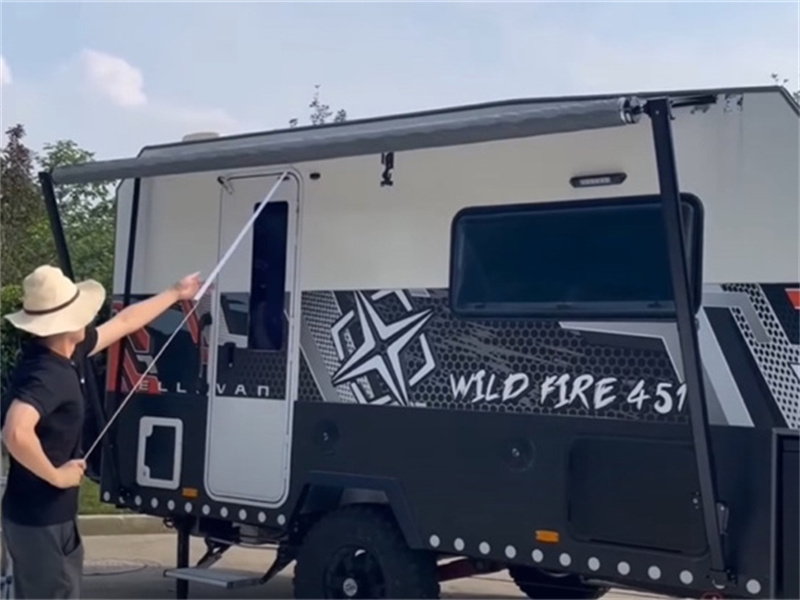
Moisture is one of the easiest maintenance issues to overlook. Sometimes an awning must be retracted while damp because the user is leaving the campsite or rain is continuing. That can happen during real travel.
The problem is not a short period of damp storage. The problem is leaving the awning wet for too long. When conditions allow, the awning should be opened again and allowed to dry before extended storage. This helps reduce the chance of mildew, odor, or moisture-related wear.
This habit is especially useful after rainy trips, coastal camping, or humid weather. Many long-term fabric issues are not caused by one storm but by repeated wet storage over time.
A simple rule works well: if the awning was packed away wet, let it breathe and dry when you have the chance.
Check Moving Parts Without Turning It into a Repair Job
The word awning lubrication often appears in maintenance discussions, but users should be careful not to treat every moving part the same way. Different awning structures may have different service requirements, and unnecessary or incorrect lubrication can create problems rather than solve them.
A practical approach is to inspect before acting. When opening or closing the awning, listen for unusual noise, look for uneven movement, and check whether the arms, joints, or roller feel smooth. If something does not feel right, the user should follow the product’s maintenance guidance or contact after-sales support before applying any lubricant.
For electric awnings, it is also sensible to check the wiring area visually and make sure the system operates normally before a long trip. This does not require deep technical work from the user. It is more about noticing early signs of trouble.
Maintenance should feel like responsible observation, not improvised repair.
Prepare for Winter Storage
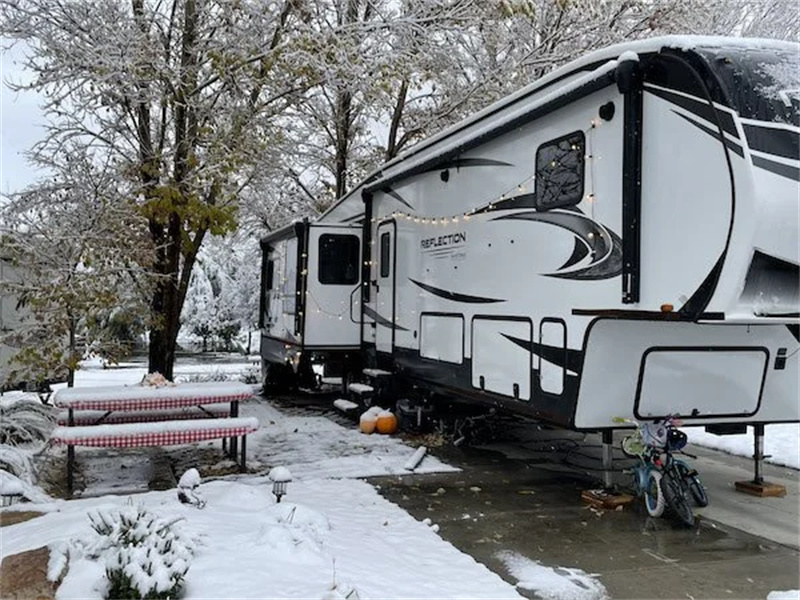
Winter storage is when small maintenance habits can make a big difference. Before the RV is parked for an extended period, the awning should be clean, dry, and fully retracted.
For a full cassette awning, the closed housing helps protect the fabric during storage. For roll-out awnings, users should still make sure the fabric is dry and properly rolled before leaving the vehicle unused for a long time.
If the RV is stored outdoors, it is worth checking the awning area occasionally, especially after storms, freezing conditions, or long wet periods. The goal is not to keep using the awning through winter weather, but to make sure it remains properly stored until the next season.
When the camping season begins again, open the awning slowly, inspect the fabric and movement, and clean the surface before regular use.
Do Not Ignore the Electrical Side
A solar awning is connected to the RV’s power system, so maintenance should include basic electrical awareness. Users do not need to perform advanced electrical work, but they should pay attention to visible cable condition, connector cleanliness, and whether the charging system behaves normally.
If the awning is connected through MC4-style solar connectors and an external controller, those connection points should be handled carefully and kept dry and secure. Any unusual charging behavior should be checked before relying on the system during a trip.
For electric awnings, the motor and control system should also be tested before long journeys. A quick check before departure is much easier than discovering an issue during wind or rain at the campsite.
A Simple Maintenance Rhythm
The easiest way to care for an RV solar awning is to build maintenance into normal travel habits.
After dusty or tree-covered campsites, clean the surface gently. After rain, dry the awning when possible. Before winter storage, make sure it is clean and fully retracted. Before a new trip, test the operation and inspect the visible parts.
This rhythm does not require a workshop. It only requires a few minutes of attention at the right times.
Final Advice
A good RV solar awning maintenance checklist does not need to be complicated. Focus on gentle awning cleaning, keeping the solar surface clear, drying the fabric before long storage, inspecting moving parts carefully, and storing the awning properly during winter.
If lubrication, electrical work, or part replacement is needed, follow official guidance or contact support rather than guessing. The goal is to keep the awning easy to use, clean to store, and ready for the next trip.
Good maintenance is not about doing more. It is about doing the right small things consistently.