
 EN
EN
 FR
FR DE
DE JA
JA KO
KO RU
RU ES
ES AR
AR IT
IT
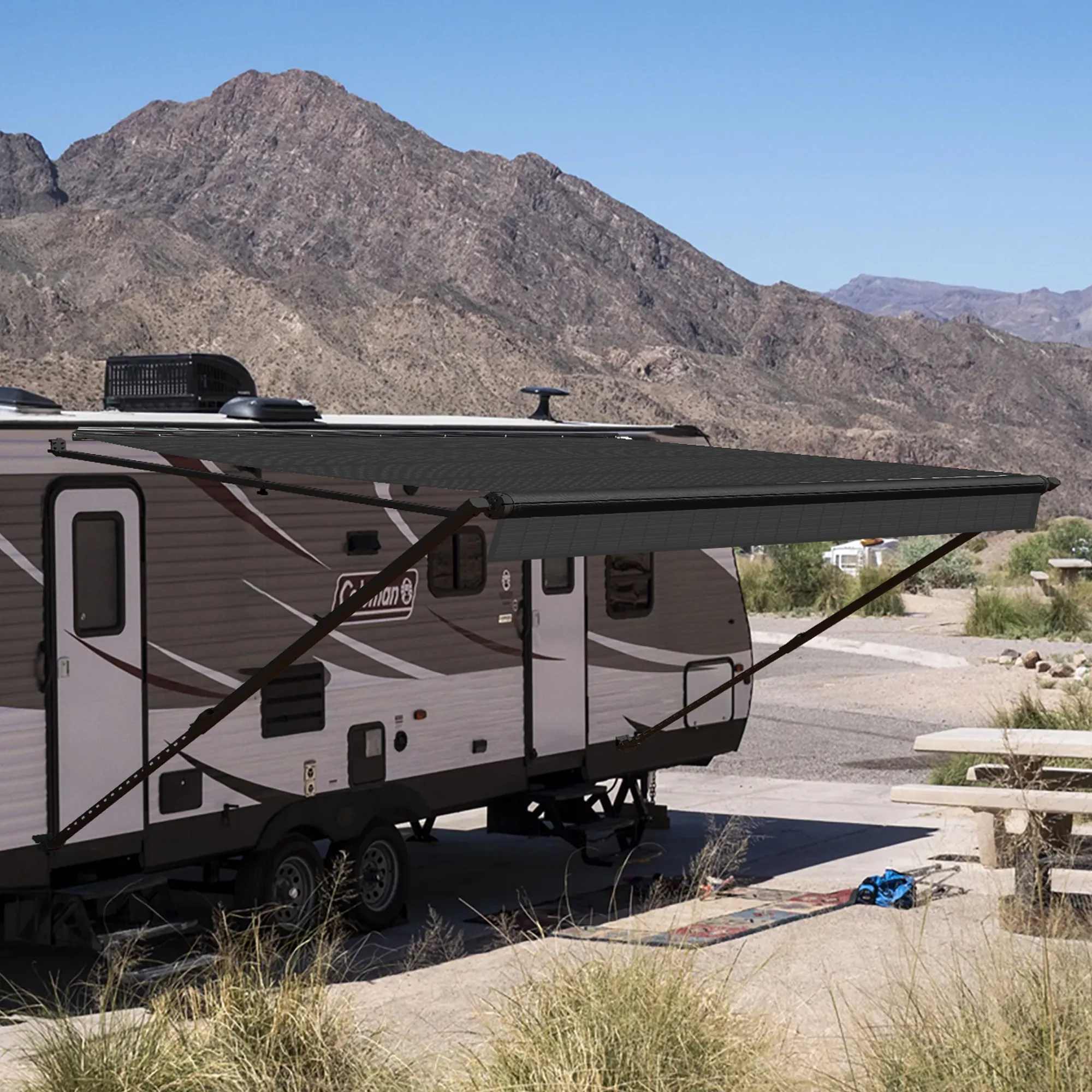
Most RV awning care is not complicated. The habits that protect an awning are usually simple: clean it gently, let it dry, retract it when the weather changes, and pay attention to small signs before they become bigger issues.
Still, these small habits are easy to skip. After a long drive or a busy camping weekend, many users close the awning quickly and move on. Over time, dust, moisture, fabric tension, motor issues, and rough handling can all affect how smoothly the awning works.
These six awning maintenance tips are designed to help RV owners build a practical routine. They apply whether the awning is a standard roll-out awning, a full cassette awning, an electric model, or a solar awning.
1. Clean the Awning Surface Regularly
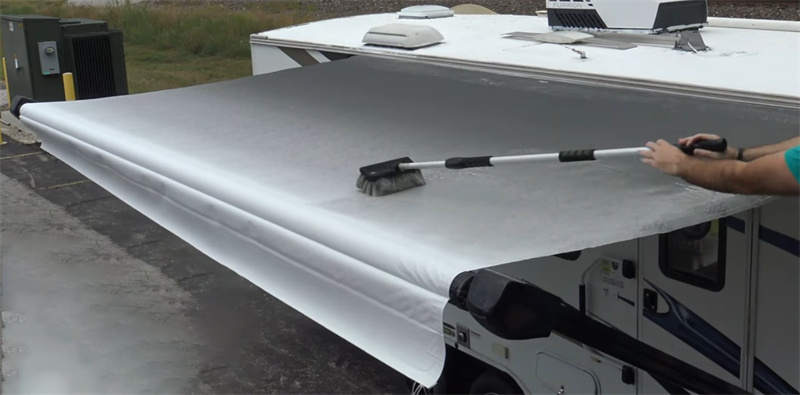
The awning surface is exposed to everything around the campsite: dust, pollen, tree sap, leaves, bird droppings, road dirt, and rainwater. None of these may seem serious after one trip, but buildup over time can make cleaning harder and may affect the fabric’s appearance and performance.
Regular awning cleaning should be gentle. Use clean water, mild soapy water when needed, and a soft brush or sponge. The goal is to remove dirt without damaging the surface. Strong chemicals, abrasive cleaners, and high-pressure water are not the right approach for routine care.
For users who camp in dusty areas or park under trees, cleaning may be needed more often. For occasional campers, a simple check after each trip may be enough. The important thing is not to let dirt stay on the fabric for long periods.
2. Let the Fabric Dry Before Long Storage
Moisture is one of the most common causes of long-term awning problems. Sometimes the awning has to be closed while damp because rain is still falling or the user needs to leave the campsite. That is normal.
What matters is what happens afterward. If the awning was retracted while wet, open it again when the weather allows and let it dry fully before long storage. This helps reduce the chance of mildew, odor, and fabric deterioration.
This habit is especially important for roll-out awnings, where the fabric may remain rolled tightly around the tube. Full cassette awnings also benefit from dry storage, even though the housing gives the fabric more protection when closed.
A simple rule is easy to remember: if it went in wet, let it come out to dry.
3. Retract the Awning When Wind or Heavy Rain Builds
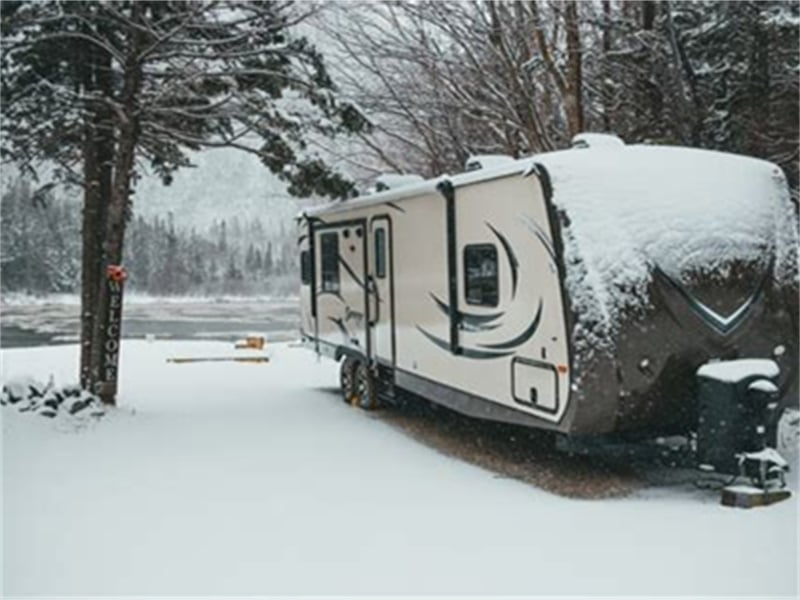
An RV awning is designed for shade and outdoor comfort, not for staying open through difficult weather. Even a strong structure should be retracted when wind increases or rain becomes heavy.
This is one of the most important RV awning care habits. Many awning issues can be avoided by closing the awning before conditions become stressful. Electric awnings with remote control or wind-sensor-related support can make this easier, but they should not replace user attention.
If the campsite is exposed, if you are leaving the RV, or if the forecast looks uncertain, it is usually better to retract the awning early. Protecting the awning before the weather changes is much easier than dealing with damage afterward.
4. Watch Fabric Tension and Movement
Fabric tension affects how the awning looks and how smoothly it works. When the awning opens, the fabric should sit evenly without unusual sagging, twisting, or pulling. When it retracts, it should roll smoothly and not bunch up or pull to one side.
Users do not need to perform complicated adjustments every time. They simply need to observe how the awning behaves. If the fabric looks uneven, if one side retracts differently, or if the awning feels harder to operate than usual, it is worth checking before the problem becomes worse.
For roll-out awnings, proper rolling is especially important. For full cassette awnings, the awning should close cleanly into the housing without forcing the mechanism.
Small changes in movement can be early signs that something needs attention.
5. Check the Motor and Electrical System Before Trips
For electric awnings, a basic awning motor check should be part of the pre-trip routine. The user does not need to take apart the motor or perform advanced electrical work. A simple operation test can be enough.
Open and close the awning before a longer trip. Listen for unusual sounds. Make sure the remote, switch, or control method responds normally. If the motor clicks but does not move, check the basics first: battery condition, power supply, and visible wiring connections.
It is also useful to know how the manual override works. If the awning ever needs to be retracted during a power issue, the user should not be learning the backup method for the first time in bad weather.
For solar awnings, visible cable and connector checks are also helpful. Make sure connections are clean, secure, and suitable for the power setup.
6. Use Replacement Parts Instead of Improvised Repairs
Awnings are made of several working parts: fabric, arms, support legs, front bars, motors, and other components depending on the model. If one part is damaged, the best solution is usually to identify the model and replace the correct component rather than improvising a repair.
Improvised fixes may work briefly, but they can create alignment problems, add stress to the frame, or make later service harder. If the fabric is torn, the arm is bent, or the motor is not working properly, the user should document the issue with photos or video and confirm the correct replacement path.
This is especially important for dealers, repair shops, and users who want to keep the awning reliable over the long term. A proper replacement part protects the rest of the system better than a temporary fix.
A Simple Routine Makes the Biggest Difference
The best awning maintenance routine is not difficult. After each trip, check whether the awning is dirty or damp. Before storage, make sure it is dry. Before a long drive, make sure it is fully retracted and secure. Before a new season, open it carefully and inspect the fabric, movement, and controls.
These small habits take only a few minutes, but they can prevent many common issues.
For users with solar awnings, the same routine matters even more because the awning surface also plays a role in power generation. Keeping the surface clean and the system operating normally helps the awning do both jobs: shade and solar support.
Final Advice
Extending the life of your RV awning is less about complex maintenance and more about consistent care. Clean it gently, dry it before storage, retract it in unsuitable weather, watch fabric tension, check the motor before trips, and use the right replacement parts when needed.
An awning is part of the RV lifestyle. A few careful habits after each trip can keep it easier to use, easier to store, and more dependable the next time you arrive at camp.
Get in touch
Table of Contents
- 1. Clean the Awning Surface Regularly
- 2. Let the Fabric Dry Before Long Storage
- 3. Retract the Awning When Wind or Heavy Rain Builds
- 4. Watch Fabric Tension and Movement
- 5. Check the Motor and Electrical System Before Trips
- 6. Use Replacement Parts Instead of Improvised Repairs
- A Simple Routine Makes the Biggest Difference
- Final Advice