
 EN
EN
 FR
FR DE
DE JA
JA KO
KO RU
RU ES
ES AR
AR IT
IT
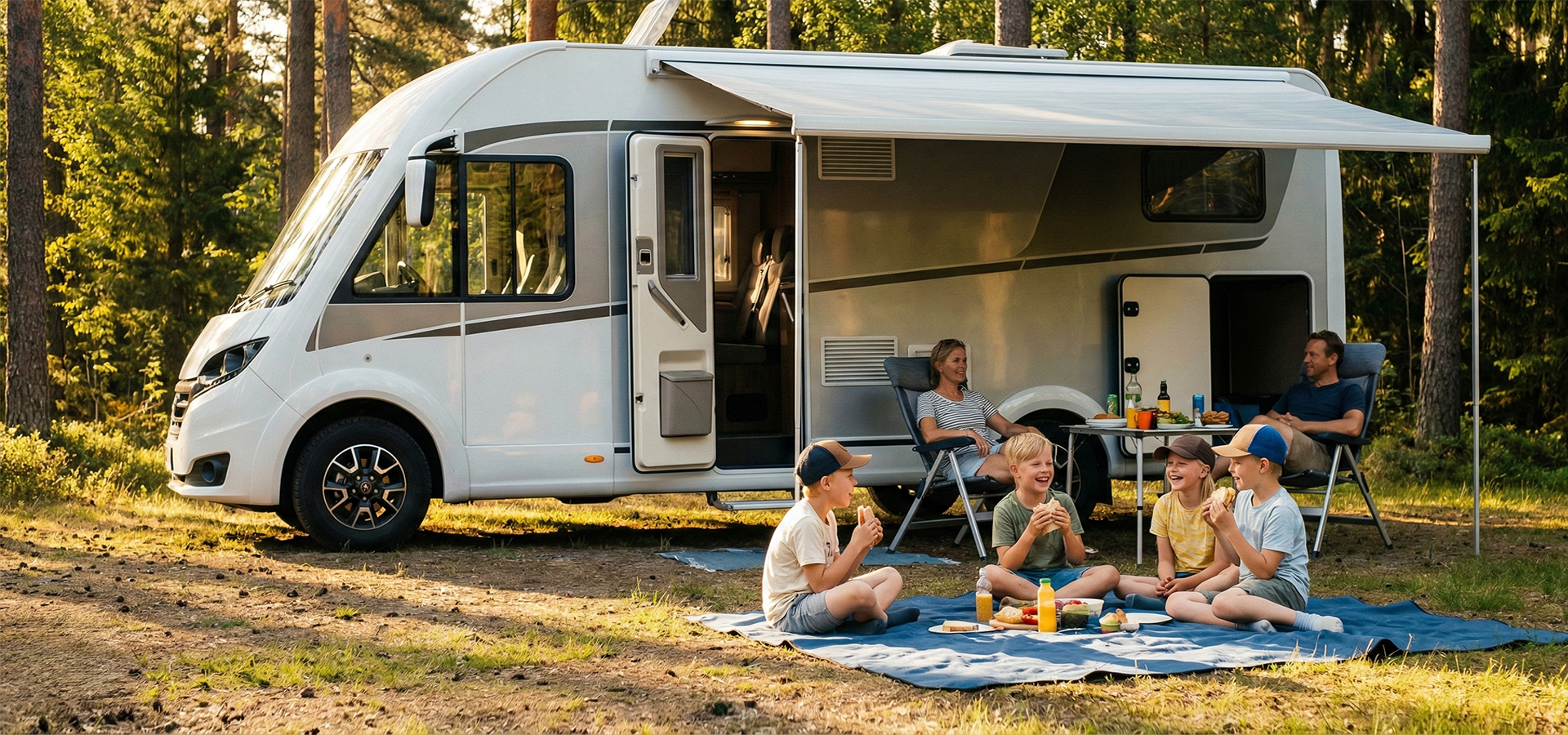
When buyers search for Awnlux vs Dometic, Solera, Fiamma, Thule, or other leading awning brands, they are usually looking for one thing: confidence. They want to know whether the awning will feel stable in everyday use, whether the frame is suitable for their vehicle, and whether the product can handle normal outdoor exposure without becoming difficult to manage.
A useful RV awning comparison should not turn into a simple claim about which brand is stronger. Awning wind resistance depends on many factors: frame design, installation quality, fabric tension, vehicle type, user habits, and whether the awning is retracted when conditions become unsuitable.
So instead of asking which brand wins in a general sense, it is more practical to ask how to compare wind resistance and frame strength in a way that reflects real RV use.
Wind Resistance Is More Than a Single Number
Wind affects an awning differently from many other RV accessories because the awning becomes a wide surface when extended. Even a strong awning should be treated with care when wind increases.
This is why wind resistance should not be understood as permission to keep the awning open in poor weather. It is better understood as part of the awning’s overall durability and usability. A good awning should open smoothly, feel stable in normal campsite conditions, and retract easily when the weather changes.
Frame strength is also tied to installation. The same awning can perform differently depending on how it is mounted, what vehicle it is installed on, and how the user manages it. This is why professional installation guidance and correct vehicle matching matter in any serious comparison.
How Awnlux Approaches Stronger Awning Structures
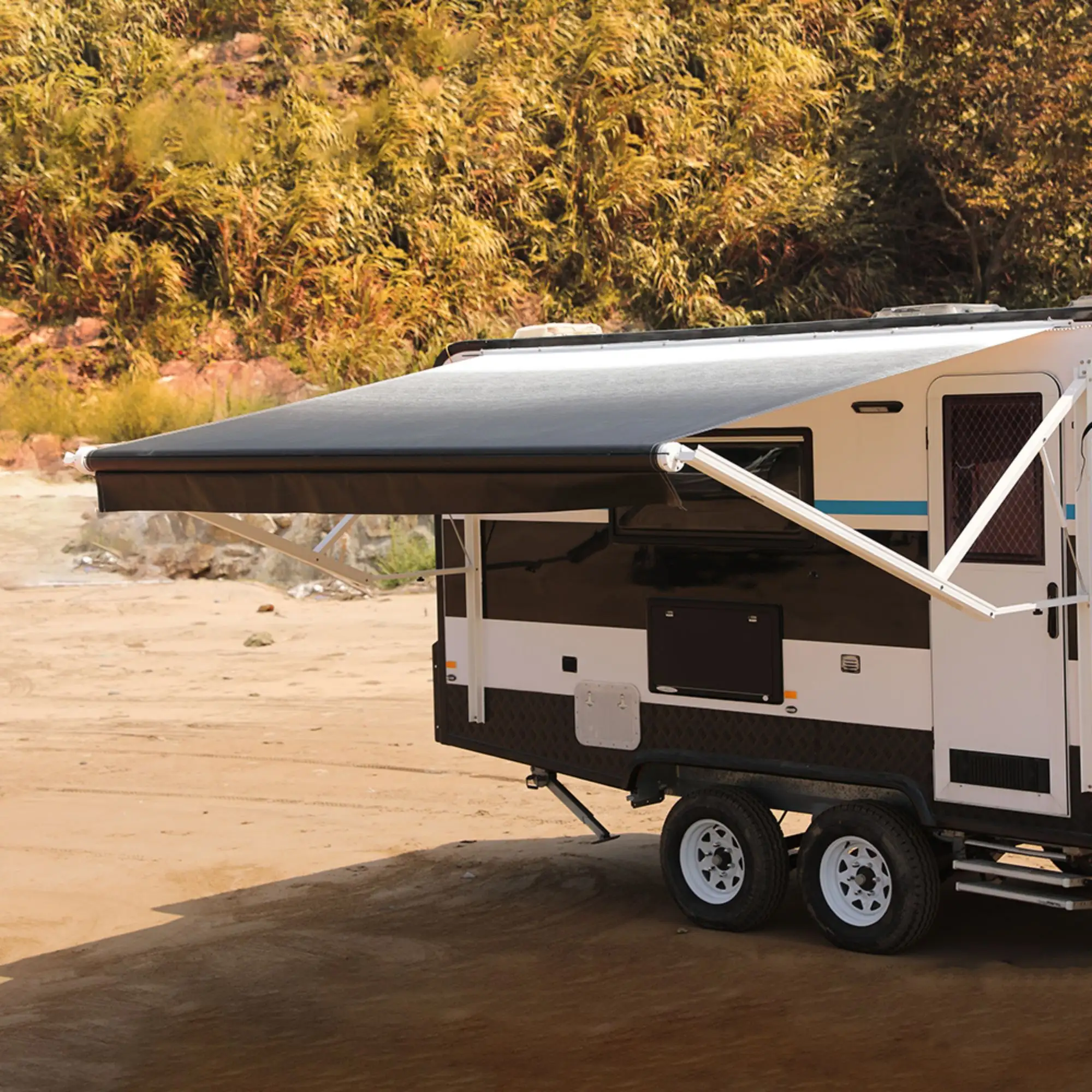
Awnlux has several awning directions that are relevant when buyers care about structure and outdoor exposure. For example, W5900 is positioned as a heavier-duty side-mounted direction, while W5800 is a roof-mounted direction used in stronger-structure conversations for vans and motorhomes. W5600 and W5700 represent roll-out directions where shade area and campsite use are more central.
These examples show that Awnlux does not rely on one awning structure for every use case. A van owner who wants a cleaner closed profile may look at full cassette options. A caravan owner who wants a wider shaded area may consider roll-out options. A buyer concerned about frequent travel or exposed routes may think more carefully about how the fabric is stored when the awning is closed.
This is where frame strength and structure should be considered together. A full cassette design may be valuable because it protects the fabric while stored. A roll-out design may be valuable because it creates a larger shaded area for campsite use. A motorized version may be valuable because it can be retracted more quickly when conditions change.
Comparing Awnlux with Other RV Awning Brands
Dometic, Fiamma, Solera, Thule, and Carefree are all names that buyers may come across when comparing RV awnings. Each brand may be associated with different vehicle types, regions, installation styles, or user expectations.
A fair comparison should avoid treating all awnings as if they serve the same purpose. A slide topper, a roof-mounted cassette awning, a manual roll-out awning, and an electric solar awning are not the same product category, even if they are all related to RV shade.
When comparing Awnlux with other brands, buyers should look at the awning type first. Is it full cassette or roll-out? Is it manual or electric? Is it designed for a van, caravan, motorhome, or slide-out? Is the priority shade area, stored protection, or solar functionality?
Only after those questions are answered does the brand comparison become useful.
What Buyers Should Look at Before Choosing
A buyer comparing awning durability should focus on practical details rather than broad claims.
The first detail is the frame and structure. Awnings used on larger RVs or in more exposed environments should be selected with attention to support arms, housing design, and vehicle mounting conditions.
The second detail is fabric storage. A full cassette awning stores the fabric inside a housing when retracted, which can help protect it during travel and outdoor storage. A roll-out awning may provide more shade but requires more attention to exposure and care.
The third detail is retraction convenience. Electric operation, remote control, and wind-sensor-related support can help users respond faster when weather changes. These features do not replace safe usage habits, but they can make those habits easier to follow.
The fourth detail is after-sales support. Even a durable awning may eventually need replacement fabric, arms, or motor parts. Buyers should consider how service and replacement parts will be handled before purchase.
Why User Habits Matter as Much as Brand
Awning durability is partly a product issue and partly a usage issue. A well-designed awning can still be damaged if it is left open in unsuitable weather, stored wet for long periods, or installed incorrectly.
This is especially important in windy environments. A wind-resistant structure can help, but it should be paired with sensible use. If the wind increases, the awning should be retracted. If rain wets the fabric, it should be dried when possible before long storage.
These habits matter across all brands. Whether the buyer chooses Awnlux, Dometic, Fiamma, Solera, or another awning brand, the long-term experience will depend on how well the product is matched, installed, used, and maintained.
Where Awnlux May Fit Best
Awnlux may be a suitable choice for buyers who want a broad range of awning directions across full cassette, roll-out, solar, and related RV applications. This is useful for dealers, repair shops, and vehicle builders who need to match different products to different vehicle types.
For frequent travelers or van users, full cassette directions may be more attractive. For caravan and stationary campsite users, roll-out directions may offer more usable shade. For off-grid users, solar awning directions may be worth considering as part of the broader power system.
This kind of product range is useful only when applied thoughtfully. The best result comes from matching the awning type to the vehicle and use case, not from assuming one product direction fits every buyer.
Final Advice
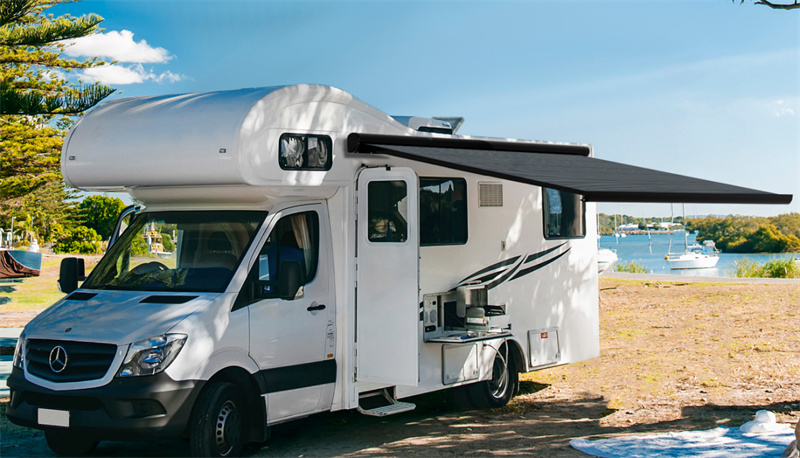
A strong RV awning comparison should focus on real use: wind conditions, frame structure, installation, stored protection, retraction convenience, and long-term service. Brand names such as Dometic, Fiamma, Solera, Thule, Carefree, and Awnlux can help buyers frame the discussion, but they should not replace practical evaluation.
If wind resistance and frame strength are priorities, choose an awning that fits the vehicle, can be retracted easily, and is supported by the right maintenance and service path. The most durable awning is not just the one that looks strong on paper. It is the one that works well with the way the RV is actually used.