
 EN
EN
 FR
FR DE
DE JA
JA KO
KO RU
RU ES
ES AR
AR IT
IT
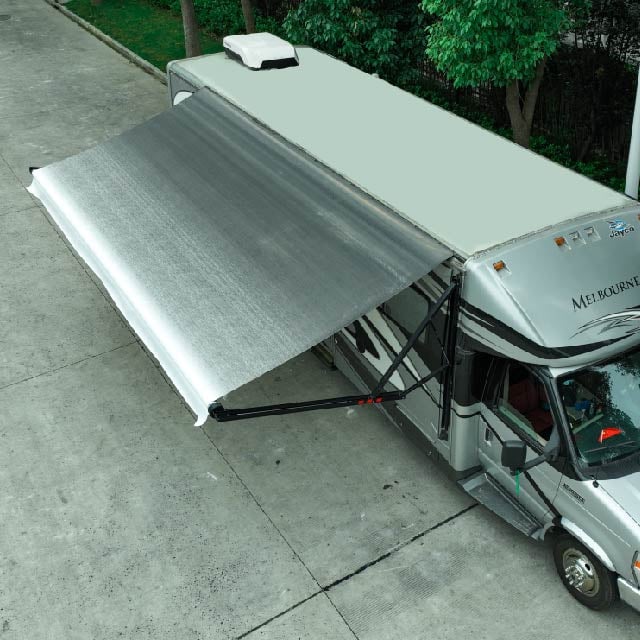
At some point, many RV owners ask the same question: is an electric RV awning really worth the upgrade, or is a manual awning enough? The answer depends less on the feature list and more on how the awning will be used day after day.
If you only open the awning occasionally on short weekend trips, a manual setup may feel perfectly reasonable. But if the awning is large, used often, or installed on a caravan or motorhome where campsite setup happens regularly, electric features can make a noticeable difference. A motorized awning is not just about convenience for its own sake. It can reduce effort, help users respond faster to changing weather, and make the awning easier to manage as part of everyday RV life.
A practical awning value analysis should begin with real use, not with a list of upgrades.
The Main Value Is Everyday Convenience
The most obvious reason to choose an electric awning is ease of operation. A large RV awning can be awkward to extend and retract manually, especially when the user is alone, the campsite is uneven, or the weather is beginning to change.
With electric operation, the setup process feels smoother. The user can open the awning without manually pulling out the fabric and managing the arms step by step. When it is time to leave, retracting the awning is faster and less physically demanding.
This is especially useful for larger roll-out awnings. A model such as Awnlux W5700 fits this type of use because it is designed around electric operation and remote control. For users who frequently set up camp, that convenience becomes part of the overall travel experience.
The benefit is not dramatic in one single use. It becomes clear after repeated trips, when the awning is opened and closed again and again. The less effort it takes, the more likely users are to use the awning properly and retract it when needed.
Remote Control Matters More Than It Sounds
A remote control awning may seem like a small upgrade until the user is dealing with a larger RV or changing weather. Instead of walking back to the awning mechanism or handling a manual pull strap, the user can manage the awning more easily from a convenient position.
This can be useful when adjusting the campsite layout, keeping an eye on furniture under the awning, or retracting the awning before leaving the vehicle. For families, older users, or rental RV customers, this can make the awning feel more accessible and less intimidating.
Remote operation also supports better habits. If retracting the awning is easy, users are less likely to delay it when wind picks up or rain begins. That small behavioral difference can matter over the long term.
Wind Sensors Add Practical Reassurance
Wind is one of the conditions that makes RV awning use more stressful. A wind sensor does not make an awning immune to weather, but it can provide helpful support when conditions change quickly.
For users who camp in open areas or step away from the vehicle for short periods, an automatic retract awning function can reduce worry. The purpose is not to keep the awning open longer in poor conditions. The value is that the awning can respond more quickly when the wind becomes a concern.
This is why wind-sensor-related functionality is often more meaningful than decorative upgrades. It supports protection and usability at the same time. For buyers comparing RV upgrade features, wind response should usually be considered before purely comfort-focused features.
Manual Override Is an Important Safety Net
One of the common concerns about electric awnings is simple: what happens if the power fails or the motor stops working? This is where manual override becomes important.
An electric awning with an emergency hand crank gives the user a way to retract the awning even if the electrical system is not operating normally. This matters because an awning must be able to close when conditions require it. For a motorized system, the backup method is not a minor detail; it is part of the confidence users need when choosing electric operation.
Awnlux electric roll-out and solar roll-out directions such as W5700 and SA5700 include this kind of practical thinking. The electric system improves daily use, while the manual backup helps avoid being fully dependent on the motor.
Electric Features Are Most Valuable for Larger Awnings
Not every RV user needs an electric awning. If the awning is small, used rarely, or installed on a compact vehicle for occasional shade, a manual option can still be a sensible choice. Manual awnings are straightforward, familiar, and suitable for users who prefer a simpler setup.
Electric features become more valuable as the awning becomes larger or more frequently used. A long roll-out awning on a caravan, for example, can be much easier to manage with remote operation. A motorhome used for extended trips may also benefit from faster setup and retraction.
The same logic applies to solar awnings. If the awning is part of a larger off-grid setup, electric control can make daily use more convenient, especially when the awning is opened and closed often to manage shade, weather, and charging conditions.
Comfort Features Are Useful, but Not Always Essential
Some electric awning features are more about comfort than operation. Lighting, Bluetooth control, and app-based convenience can improve the campsite experience, especially for users who enjoy a more refined outdoor setup.
For example, integrated or optional lighting can make evening use more pleasant. Bluetooth control can appeal to users who prefer managing equipment from a phone. These features can be valuable, but they should be considered after the fundamentals: reliable operation, easy retraction, backup manual control, and suitability for the vehicle.
In other words, the best electric awning is not necessarily the one with the longest feature list. It is the one whose features match how the user actually camps.
When Manual Still Makes Sense
A manual awning remains a good option for many users. If the RV is used for short trips, the awning is not very large, or the buyer wants a more basic setup, manual operation can be practical and cost-conscious.
Manual awnings can also appeal to users who prefer fewer electrical components. For smaller vehicles or occasional campsite use, the simplicity may be part of the attraction.
The decision should not be framed as manual being outdated and electric being automatically better. It is more accurate to say that electric awnings solve certain problems. If those problems are part of your camping life, the upgrade is easier to justify.
Final Advice
An electric RV awning is worth considering if you use the awning often, manage a larger shade area, camp in places where weather can change quickly, or simply want the setup process to feel easier. Remote control, wind-sensor support, and manual override are the features that usually bring the clearest practical value.
If your camping style is simple and occasional, a manual awning may still be enough. But if the awning is part of your regular outdoor living space, a motorized awning can make RV travel feel more comfortable, less stressful, and easier to manage.
The best upgrade is not the most advanced one on paper. It is the one that makes sense every time you arrive at camp, open the awning, and settle into the space outside your RV.
Get in touch
Table of Contents
- The Main Value Is Everyday Convenience
- Remote Control Matters More Than It Sounds
- Wind Sensors Add Practical Reassurance
- Manual Override Is an Important Safety Net
- Electric Features Are Most Valuable for Larger Awnings
- Comfort Features Are Useful, but Not Always Essential
- When Manual Still Makes Sense
- Final Advice