
 EN
EN
 FR
FR DE
DE JA
JA KO
KO RU
RU ES
ES AR
AR IT
IT
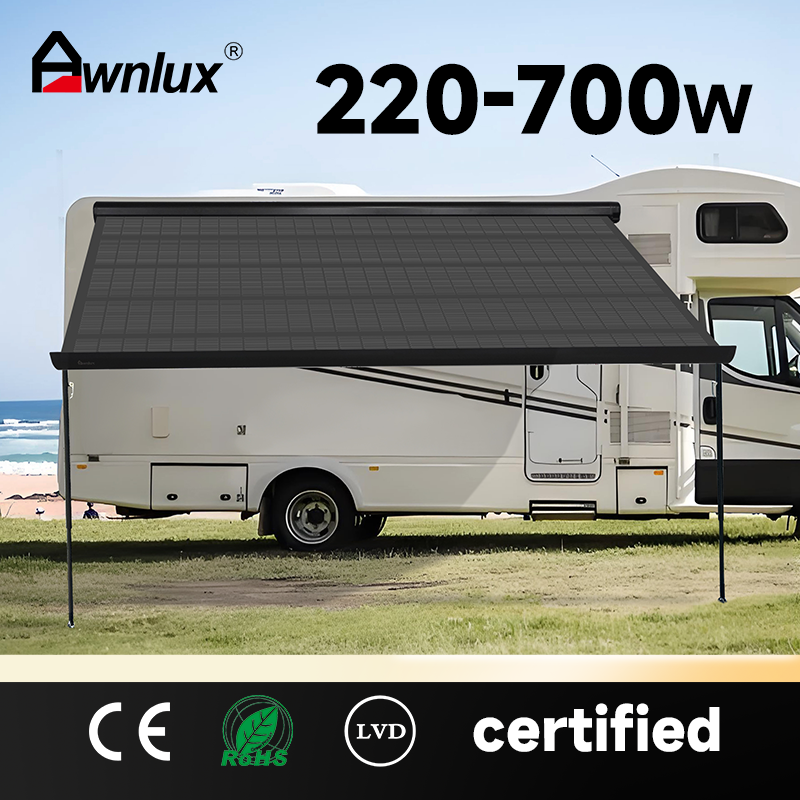
Tende solari per la vita a tempo pieno in camper: vantaggi, limiti e pianificazione energetica
Per chi viaggia in camper a tempo pieno, lo spazio disponibile sul tetto è spesso limitato. Climatizzatori, prese d’aria, attrezzature satellitari e scatole di stoccaggio possono lasciare poco spazio per ulteriori pannelli solari.
Una tenda solare crea un’ulteriore superficie di generazione senza occupare ulteriore spazio sul tetto. Quando è estesa, fornisce ombra all’esterno producendo al contempo elettricità per il sistema di batterie del camper. Al momento della partenza, il materiale fotovoltaico si ritrae insieme alla tenda.
Tuttavia, una tenda solare non sostituisce automaticamente i pannelli solari montati sul tetto né un generatore. Il suo vero valore dipende dal tuo consumo giornaliero di elettricità, dalla capacità delle batterie, dalle condizioni del campeggio e da quanto spesso la tenda può rimanere estesa in sicurezza.
Questa guida spiega in che modo un tendalino solare per camper si inserisce in un sistema elettrico completo per l’uso continuativo del camper, come stimarne la produzione potenziale e quando può — o non può — rappresentare la soluzione più adatta.
Che cos’è una tenda solare per camper?
Un tendalino solare per camper combina un tendalino retrattile con materiale fotovoltaico flessibile.
Come un normale tendalino per camper, crea un’area esterna ombreggiata per vivere all’aperto. A differenza di un tendalino in tessuto standard, la sua superficie genera anche corrente continua (DC) quando esposta alla luce solare.
- Un sistema completo include normalmente:
- Tessuto del tendalino solare o moduli solari flessibili integrati
- Struttura del tendalino e meccanismo di retrazione
- Cavi e connettori solari
- Un regolatore di carica solare MPPT di dimensioni adeguate
- Power bank
- Fusibili, interruttori di isolamento e altri dispositivi di protezione elettrica
- Un invertitore, qualora sia necessario alimentare apparecchiature in corrente alternata (AC)
Il tendalino genera elettricità soltanto quando è completamente esteso ed esposto a una luce solare utilizzabile. Di norma deve essere ritratto prima di mettersi in marcia e ogni qualvolta le condizioni di vento o di maltempo superino i limiti operativi del prodotto.
Perché i viaggiatori in roulotte a tempo pieno considerano un’impermeabile solare
1. Aumenta la capacità solare senza occupare ulteriore spazio sul tetto
Lo spazio disponibile sul tetto è una delle limitazioni principali per l’installazione di pannelli solari su una roulotte. Un’impermeabile solare trasforma il fianco del veicolo in un’ulteriore area di generazione estraibile.
Ciò può essere particolarmente utile per le roulotte che dispongono già di pannelli sul tetto ma necessitano comunque di maggiore capacità di ricarica diurna.
2. Una sola superficie fornisce ombra ed energia contemporaneamente
Un’impermeabile solare svolge due funzioni simultaneamente.
Crea un’area all’aperto ombreggiata per cucinare, lavorare o rilassarsi, fornendo al contempo elettricità al sistema di ricarica della roulotte. A seconda dell’installazione e della posizione del sole, l’ombra può anche ridurre l’esposizione diretta ai raggi solari sulla parete laterale o sui finestrini della roulotte.
3. Può consentire soggiorni più lunghi fuori dalla rete elettrica
Una maggiore generazione solare può contribuire a sostituire parte dell’elettricità utilizzata da frigoriferi, luci, ventilatori, laptop, apparecchiature per le comunicazioni e altri carichi quotidiani.
Il risultato potrebbe essere un numero inferiore di ore di funzionamento del generatore e una minore dipendenza dall’alimentazione da terra. Tuttavia, il beneficio effettivo dipende dalle condizioni solari e dal consumo energetico dell’utente.
4. Integra un sistema fotovoltaico esistente sul tetto
Per molti utilizzatori di RV a tempo pieno, la soluzione più pratica non è «pannelli solari sul tetto oppure tenda solare», bensì una combinazione di entrambe.
I pannelli sul tetto possono produrre energia ogni volta che ricevono luce solare, anche quando la tenda deve essere ritratta. La tenda solare fornisce quindi capacità aggiuntiva nelle condizioni di sosta più favorevoli.
Quanta energia può produrre una tenda solare?
La potenza nominale è solo il punto di partenza. La produzione energetica giornaliera è influenzata da:
- Dimensioni della tenda e potenza solare nominale
- Località e stagione
- Ore di sole massime
- Angolazione della tenda e orientamento del veicolo
- Nuvolosità e ombreggiamento parziale
- Efficienza del regolatore MPPT
- Perdite nei cavi
- Stato di carica della batteria
- Quanto tempo il tendalino rimane esteso
Una semplice formula di progettazione è:
Energia giornaliera stimata = potenza nominale × ore di sole picco × fattore di sistema
Ad esempio:
800 W × 5 ore di sole picco × 0,75 = circa 3,0 kWh al giorno
Il fattore di sistema 0,75 in questo esempio tiene conto delle comuni perdite nel mondo reale. Si tratta di un’ipotesi progettuale, non di una produzione garantita.
Le ore di sole picco differiscono anche dalle ore totali di luce diurna. Un veicolo ricreazionale può ricevere dieci ore di luce diurna, ma solo quattro o cinque ore equivalenti di produzione solare intensa.
Nella progettazione finale del sistema, utilizzare sempre le specifiche elettriche del prodotto e le condizioni solari locali.
Iniziare con il proprio budget energetico giornaliero
Prima di scegliere una tenda solare, calcola quanta elettricità utilizza effettivamente il tuo camper.
Per ogni apparecchio, usa:
Potenza dell’apparecchio in watt × ore di funzionamento ÷ 1.000 = kWh giornalieri
Ecco un calcolo illustrativo:
| Elettrodomestico | Carico di esempio | Uso quotidiano | Energia stimata |
|---|---|---|---|
| frigorifero 12v | media di 50 W | 24 ore | 1,20 kWh |
| Laptop | 65W | 4 ore | 0,26 kWh |
| Illuminazione | 30W | 5 ore | 0,15 kWh |
| Ventilatore di aerazione | 25W | 8 ore | 0,20 kWh |
| Router e dispositivi | 15W | 10 Ore | 0,15 kWh |
| Totale | 1,96 kWh |
Queste cifre sono esempi indicativi. I cicli di funzionamento del frigorifero, la temperatura ambiente, le perdite dell'inverter e le abitudini dell'utente possono modificare in modo significativo il risultato.
Dopo aver calcolato il totale, aggiungere una riserva per condizioni di cielo nuvoloso, perdite di conversione e utilizzi imprevisti. Un margine di almeno il 20% costituisce un utile punto di partenza per la pianificazione.
Un tendalino solare può alimentare il climatizzatore di un veicolo ricreazionale?
Può contribuire con energia elettrica al funzionamento del climatizzatore, ma non deve essere automaticamente descritto come soluzione di alimentazione per climatizzatori.
I climatizzatori richiedono una notevole potenza continua e possono anche necessitare di una potenza di avviamento sostanziale. Se il sistema sia in grado o meno di alimentarne uno dipende da:
- Potenza assorbita in funzionamento e all'avviamento del climatizzatore
- Potenza erogata dal tendalino solare
- Capacità del pannello solare montato sul tetto
- Capacità della batteria
- Potenza continua e di picco dell'inverter
- Durata dell'utilizzo
- Condizioni atmosferiche e temperatura
Per la maggior parte dei sistemi, è più realistico considerare la produzione solare come parte dell'approvvigionamento energetico complessivo, piuttosto che ipotizzare che il tendalino solare da solo possa far funzionare continuamente un condizionatore d'aria.
Prima di prendere questa decisione è necessario effettuare un calcolo accurato del carico elettrico.
Tendalino solare vs. pannelli sul tetto vs. pannelli portatili
Ciascun tipo di impianto solare per veicoli ricreazionali svolge un ruolo diverso.
| Sistema | Principale Vantaggio | Limitazione principale |
|---|---|---|
| Pannelli solari montati sul tetto | Generano energia senza necessità di installazione giornaliera | Limitati dallo spazio disponibile sul tetto e dall'orientamento fisso |
| Pannelli Solari Portatili | Può essere posizionato verso il sole | Richiede installazione, stoccaggio e sicurezza |
| Copertura solare | Aggiunge superficie di generazione fornendo al contempo ombra | Deve essere esteso e ritratto in base alle condizioni meteorologiche |
| Sistema combinato | Generazione più bilanciata e maggiore flessibilità | Maggiore complessità di installazione |
Una tenda solare è particolarmente vantaggiosa quando il tetto del veicolo ricreazionale è già affollato oppure quando il proprietario desidera una capacità solare aggiuntiva da utilizzare in sosta, senza dover trasportare pannelli portatili.
Cosa accade in caso di ombreggiatura parziale?
Tutte le tecnologie solari producono meno elettricità quando la luce solare disponibile è ridotta. Tuttavia, diverse tecnologie solari reagiscono all’ombreggiatura parziale in modi diversi.
Le tende solari Awnlux utilizzano la tecnologia solare a film sottile CIGS (seleniuro di rame, indio e gallio). Il materiale solare flessibile può arrotolarsi insieme al tessuto della tenda ed è operativo in un intervallo di temperatura compreso tra -40 °C e +75 °C. A differenza di un tradizionale impianto solare rigido, in cui l’ombreggiamento locale o i danni a una cella possono influenzare una porzione più ampia collegata in serie, il tessuto solare CIGS Awnlux non presenta alcun effetto punto caldo. Se una singola cella solare subisce un danno, l’intero tessuto solare non cessa di produrre energia. Quando una parte della tenda è in ombra, tale zona ombreggiata non provoca l’arresto del funzionamento dell’intera superficie solare: le sezioni ancora esposte alla luce solare continuano a generare elettricità.
Lo stesso principio vale anche per danni fisici localizzati. Se una singola cella solare viene danneggiata, le restanti celle solari continuano a funzionare. Ciò migliora la resilienza del sistema nelle applicazioni mobili, dove il materiale solare viene ripetutamente esteso, ritratto ed esposto a condizioni esterne variabili.
La tenda solare non deve nemmeno essere completamente aperta per iniziare a produrre energia. Qualsiasi sezione estesa esposta alla luce solare può generare elettricità. Estendere una superficie solare maggiore aumenta generalmente l’area disponibile per la generazione, mentre un’estensione parziale rappresenta un’opzione pratica quando lo spazio nel campeggio o le condizioni meteorologiche non consentono un’estensione completa.
Le prestazioni del materiale CIGS non eliminano l’effetto dell’ombra. Alberi, veicoli vicini, nuvole e lo stesso veicolo ricreazionale possono ancora ridurre la produzione complessiva. Gli utenti devono posizionare il veicolo e la tenda solare in modo da ricevere quanta più luce solare non ostruita possibile, nella misura praticamente fattibile.
Per una spiegazione tecnica più dettagliata, leggere la nostra guida su come funzionano le tende solari flessibili CIGS.
Limitazioni importanti da comprendere
Un piano affidabile per una tenda solare deve tenere conto sia dei suoi limiti sia dei suoi vantaggi.
La potenza disponibile dipende dall’area solare esposta
Una tenda solare Awnlux può generare elettricità a qualsiasi lunghezza di estensione. Non è necessario aprirla completamente prima che inizi la generazione.
Tuttavia, la potenza disponibile dipende in parte dalla quantità di tessuto solare esposta alla luce solare. Una tenda da sole parzialmente estesa ha un'area attiva di generazione più piccola rispetto a una tenda da sole completamente estesa, nelle stesse condizioni.
Quando la tenda da sole è completamente arrotolata nella cassetta o sul rullo, la superficie solare non è più esposta alla luce solare e quindi non può generare energia solare utilizzabile.
Il vento può ridurre il tempo disponibile per la ricarica.
Una tenda da sole crea un’ampia superficie esposta al vento. Deve essere arrotolata quando le condizioni si avvicinano al limite operativo indicato dal produttore o quando il tempo cambia in modo imprevedibile.
Non lasciare mai una tenda da sole estesa incustodita esclusivamente per mantenere la generazione solare.
L’orientamento del campeggio è importante.
Un campeggio all’ombra può essere confortevole, ma offre un’esposizione solare limitata. Anche la direzione in cui è parcheggiato il veicolo ricreazionale influisce sull’accesso della tenda da sole alla luce solare.
La tenda da sole non costituisce l’intero sistema elettrico.
Un tendalino solare richiede comunque un regolatore di carica compatibile, un sistema batteria, cavi, dispositivi di protezione e, possibilmente, un invertitore.
Il regolatore MPPT deve essere scelto in base alle specifiche di tensione e corrente dell’impianto fotovoltaico, non esclusivamente sulla base della potenza.
L’installazione richiede verifiche strutturali ed elettriche.
L’installatore deve confermare che la parete del veicolo ricreazionale, i punti di fissaggio e lo spazio disponibile siano adatti al tendalino scelto.
L’installazione elettrica deve inoltre tenere conto del percorso dei cavi, dei punti di ingresso impermeabili, dell’isolamento, della protezione contro le sovracorrenti, della chimica della batteria e della normativa locale.
Scelta di un tendalino solare Awnlux
Awnlux offre diverse configurazioni di tendalini solari, adatte a diversi veicoli e requisiti operativi.
Tendalino solare manuale SA5600 per veicoli ricreazionali
Il SA5600 funziona manualmente ed è disponibile in una vasta gamma di dimensioni. È indicato per chi preferisce un tendalino meccanicamente semplice da srotolare e non necessita di estensione motorizzata.
Visualizza il tendalino solare manuale SA5600.
Tenda solare elettrica SA5700 per camper
La SA5700 aggiunge il funzionamento motorizzato per una più facile estensione e retrazione. È destinata a utenti, costruttori di camper e flotte che danno priorità alla comodità operativa.
Visualizza la tenda solare elettrica SA5700.
Tenda solare per camper SA5900 con cassettina completa
La SA5900 ritrae il materiale solare all’interno di una cassettina in alluminio completa. Ciò offre una protezione aggiuntiva per la superficie solare durante il trasporto e la conservazione.
È un’opzione utile quando sono prioritarie la protezione offerta dalla cassettina e un aspetto integrato compatto.
Visualizza la tenda solare per camper SA5900 con cassettina completa.
Copertura solare scorrevole SA5260
Una copertura solare scorrevole sfrutta l’area sovrastante il vano scorrevole del camper per fornire protezione dagli agenti atmosferici, aggiungendo contemporaneamente un’ulteriore superficie generatrice di energia solare.
Questa configurazione potrebbe essere adatta ai produttori di camper che intendono sfruttare aree normalmente non utilizzabili per pannelli montati sul tetto.
È possibile confrontare l'intera gamma di tende solari Awnlux prima di selezionare un modello.
Checklist pre-acquisto per tende solari
Prima di richiedere un preventivo o approvare un'installazione, preparare le seguenti informazioni:
- Marca, modello e anno del veicolo ricreazionale (RV)
- Larghezza disponibile per il montaggio
- Estensione richiesta della tenda
- Caratteristiche della struttura muraria e dei punti di fissaggio
- Tensione e chimica della batteria
- Capacità della batteria in Ah o kWh
- Specifiche dei pannelli solari già installati
- Specifiche del regolatore MPPT esistente
- Consumo energetico giornaliero
- Apparecchiature target
- Regioni e clima tipici di viaggio
- Preferenza di funzionamento manuale o motorizzato
Fornire queste informazioni consente al produttore o all'installatore di valutare con maggiore precisione l'adattamento meccanico e la compatibilità elettrica.
Un tendalino solare vale la pena per chi vive a tempo pieno in un RV?
Un tendalino solare risulta probabilmente più vantaggioso quando:
- Il tetto presenta spazio residuo limitato per pannelli solari
- Si trascorrono regolarmente diversi giorni fuori dalla rete elettrica
- Si utilizza frequentemente il tendalino per ombreggiare gli spazi esterni
- Il tuo consumo di elettricità diurno è significativo
- Possiedi già—o prevedi di installare—una batteria e un sistema MPPT adeguati
- Vuoi ridurre l’uso del generatore senza trasportare pannelli solari portatili
Potrebbe essere meno adatto quando:
- Campeggi spesso in condizioni di vento forte
- Raramente estendi la tua tenda da sole
- La maggior parte dei campeggi è fortemente ombreggiata
- Il tuo veicolo ricreazionale dispone di spazio libero sufficiente sul tetto
- Ti aspetti che la sola tenda da sole alimenti carichi continui di grandi dimensioni
- La struttura del veicolo non può supportare il sistema di fissaggio richiesto
Per molti viaggiatori full-time, la soluzione più efficace è un sistema bilanciato: pannelli solari montati sul tetto per una generazione costante, una tenda solare per aumentare la capacità di generazione da fermo, una capacità di accumulo sufficiente nelle batterie e una fonte di ricarica di riserva per le condizioni meteorologiche avverse.
Domande frequenti
Una tenda solare può sostituire i pannelli solari montati sul tetto?
Può fornire una capacità solare aggiuntiva significativa, ma non sostituisce sempre i pannelli sul tetto. La tenda deve essere estesa per generare in modo efficace e potrebbe dover essere ritratta in caso di vento forte. Un sistema combinato tetto + tenda offre generalmente una maggiore flessibilità operativa.
Una tenda solare può sostituire un generatore?
Può ridurre l’uso del generatore, soprattutto per refrigerazione, illuminazione, dispositivi elettronici e altri carichi moderati. Se possa eliminarne completamente l’uso dipende dal consumo energetico giornaliero, dalla capacità della batteria, dalle condizioni meteorologiche e dai requisiti di riserva.
Una tenda solare ricarica direttamente la batteria?
L'uscita del pannello solare dovrebbe normalmente passare attraverso un regolatore di carica MPPT compatibile prima di raggiungere la batteria. Il regolatore deve essere adatto alla tensione e alla corrente dell'impianto solare nonché al tipo di batteria.
Funziona anche nelle giornate nuvolose?
Può comunque produrre elettricità in presenza di luce diffusa, ma la produzione sarà inferiore rispetto a quella ottenuta con luce solare diretta. La produzione giornaliera non deve mai essere pianificata basandosi esclusivamente sulla potenza di picco.
È possibile lasciare il tendalino solare esteso durante la guida?
No. Un tendalino retrattile per camper deve essere completamente riposto prima che il veicolo si metta in movimento.
Posso collegarlo a un sistema solare per camper già esistente?
In molti casi ciò è possibile. Tuttavia, è necessario verificare che il regolatore esistente, i cavi e il sistema batteria siano compatibili con la tensione, la corrente e la capacità totale dell'impianto solare. In alcuni progetti di sistema potrebbero risultare più opportuni regolatori MPPT separati.
Per un utilizzo continuativo, è preferibile il comando manuale o quello elettrico?
Il funzionamento manuale riduce la dipendenza dal motore della tenda da sole e può essere adatto agli utenti che preferiscono la semplicità meccanica. Il funzionamento elettrico è più comodo quando la tenda da sole viene estesa e ritratta frequentemente. La scelta corretta dipende dal tipo di veicolo, dalla frequenza d’uso e dalle preferenze del proprietario.
Pianificare il sistema prima di selezionare la tenda da sole
La migliore tenda da sole solare non è semplicemente il modello con la potenza in watt più alta dichiarata. È il modello che si adatta al veicolo, è compatibile con il sistema della batteria e produce energia utile nelle effettive condizioni di viaggio del proprietario.
Awnlux collabora con i produttori di RV, i costruttori di camper, i distributori e gli operatori di flotte per la dimensionatura delle tende da sole solari, l’integrazione meccanica e le specifiche elettriche.
Contattare Awnlux fornendo le dimensioni del veicolo, la tensione della batteria e il consumo energetico giornaliero previsto per richiedere raccomandazioni sui modelli e la documentazione tecnica.