
 EN
EN
 FR
FR DE
DE JA
JA KO
KO RU
RU ES
ES AR
AR IT
IT
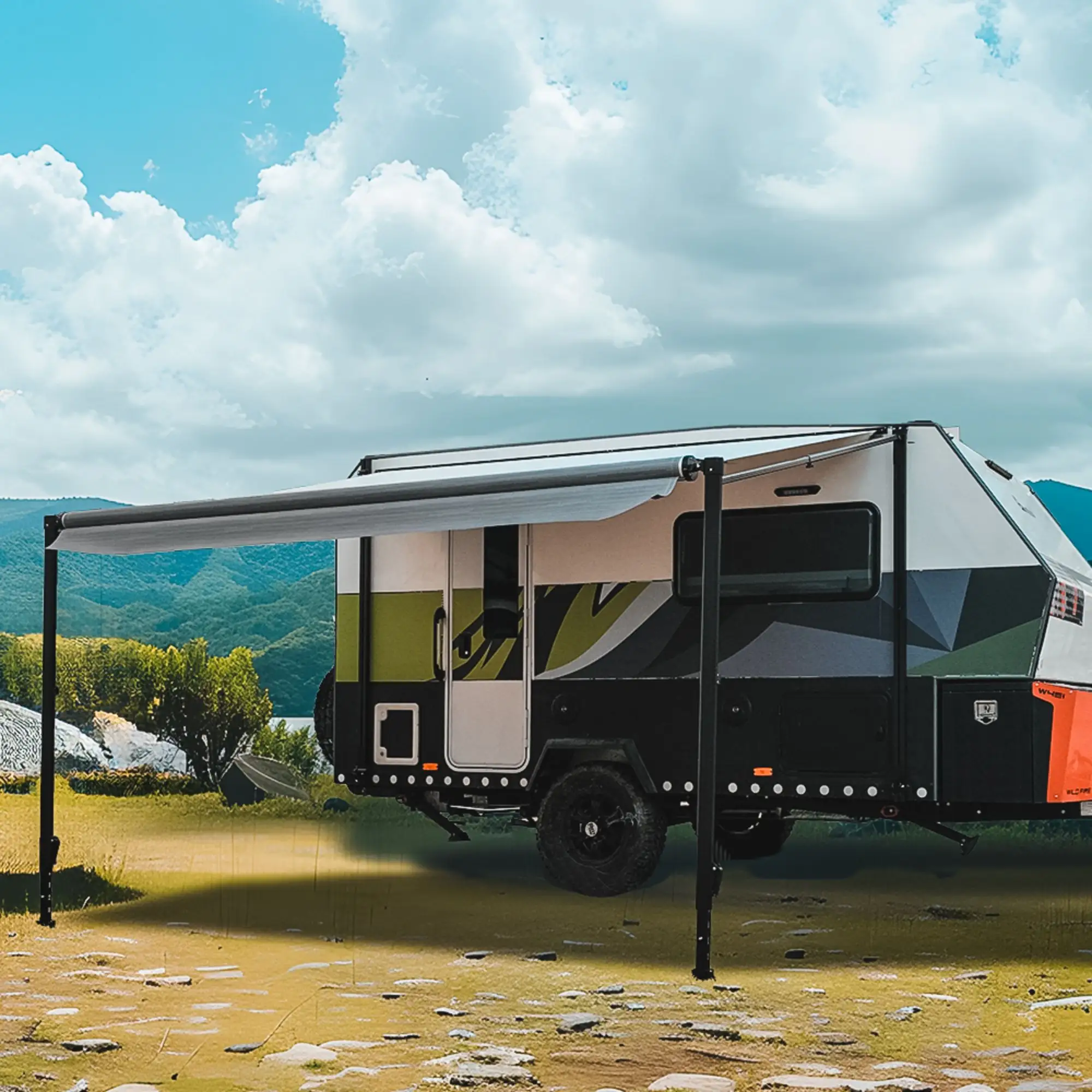
Meilleure tonnelle pour VR destinée à une utilisation enneigée, côtière et stationnaire à long terme
Certains environnements de camping sont peu exigeants pour une tonnelle. Un emplacement de camping calme en été, un court séjour de week-end ou un lieu de stockage sec ne sollicitent pas excessivement la structure. D’autres environnements sont différents. La neige, l’air marin et la vie stationnaire à long terme exercent tous des contraintes particulières sur la tonnelle d’une VR.
C’est pourquoi le choix de la meilleure tonnelle pour le camping enneigé , tonnelle pour le camping côtier , ou tonnelle pour vie stationnaire en VR ne doit pas être considérée comme une seule et même décision. Ces situations peuvent toutes sembler relever de « conditions difficiles », mais les préoccupations pratiques ne sont pas identiques. La neige rend plus importantes la gestion du stockage et du poids. Le camping côtier implique l’humidité, le vent et une exposition prolongée aux éléments extérieurs. L’utilisation stationnaire à long terme met davantage l’accent sur la surface ombragée, le confort quotidien et les habitudes d’entretien.
Une bonne auvent pour conditions extrêmes le choix ne consiste pas à pousser un auvent au-delà de limites raisonnables. Il s’agit plutôt d’adapter la structure de l’auvent à la manière dont le véhicule est utilisé et aux conditions environnementales auxquelles il sera exposé.
Camping enneigé : privilégier d’abord le rangement
Lors du camping hivernal, l’auvent est souvent utilisé de façon moins intensive qu’en été. De nombreux utilisateurs ne cherchent pas à maintenir l’auvent déployé sous la neige. Ils souhaitent plutôt une structure qui se range facilement, protège la toile lorsqu’elle est repliée et évite toute exposition inutile à l’humidité gelée.
C’est ici qu’une toile d’auvent intégrale peut s’avérer pertinente. Comme le tissu est entièrement enfermé lorsqu’il est rétracté, cet auvent convient mieux aux situations où l’auvent risque de rester fermé pendant de longues périodes par temps froid ou humide. Pour les véhicules récréatifs circulant en hiver, la position de stockage du tissu revêt une importance particulière. Si l’auvent est fermé et protégé, son exposition directe aux projections routières, à la glace et aux débris hivernaux en général est réduite.
Cela ne signifie pas qu’un auvent devrait rester déployé sous une charge de neige. En cas de chute de neige, les utilisateurs doivent faire preuve de prudence. Dès que de la neige commence à s’accumuler, l’auvent doit être déneigé puis rétracté au moment opportun. L’intérêt pratique de l’auvent réside dans l’ombrage et le confort du camping lorsque les conditions le permettent, et non dans sa capacité à supporter durablement une charge de neige.
Pour les utilisateurs qui souhaitent bénéficier d’un soutien solaire lors de voyages en climat froid, une tonnelle solaire peut également être envisagée, mais la même logique hivernale s’applique : maintenez le système propre, évitez toute accumulation inutile et considérez la tonnelle comme faisant partie d’un ensemble plus vaste de matériel pour camping-car, plutôt que comme un abri hivernal autonome.
Camping côtier : protection contre l’exposition constante
Le camping côtier suit un rythme différent. L’air y est souvent humide, le vent peut changer rapidement, et les véhicules peuvent rester stationnés longtemps à proximité de l’eau. Même lorsque le temps semble agréable, la tonnelle reste exposée à l’humidité, aux rayons du soleil et au sel présent dans l’air.
Dans ce type d’environnement, la question devient la suivante : quelle exposition subissent le tissu et le mécanisme de la tonnelle lorsqu’elle n’est pas utilisée ? Une tonnelle à cassette intégrale s’avère ici particulièrement intéressante, car le tissu est entièrement protégé lorsqu’elle est fermée. Ce mode de rangement peut s’avérer utile pour les propriétaires de camping-cars qui voyagent fréquemment en zone côtière ou laissent leur véhicule stationné à l’extérieur.
Une toile d'ombrage déroulable peut encore fonctionner efficacement sur les terrains de camping côtiers, en particulier lorsque l'utilisateur accorde une grande importance à une surface ombragée plus vaste. De nombreux campeurs côtiers passent de longues heures à l'extérieur de leur véhicule, et un espace ombragé étendu peut rendre le terrain de camping nettement plus confortable. Toutefois, l'utilisateur doit accorder une attention accrue aux routines de rangement, de séchage et de nettoyage.
Après des soirées humides sur la côte ou des averses, il est recommandé, dans la mesure du possible, de laisser sécher la toile d'ombrage avant de la ranger pendant une longue période. Cela revêt une importance particulière pour les utilisateurs qui campent fréquemment à proximité de l'océan. Dans les environnements côtiers, l'entretien à long terme repose souvent moins sur un événement météorologique exceptionnel que sur une exposition répétée au fil du temps.
Vie stationnaire à long terme en VR : le confort devient la priorité
Vivre à long terme de façon sédentaire dans une autocaravane modifie la façon dont les gens perçoivent les auvents. Lorsque l’autocaravane est stationnée à un même endroit pendant une saison ou plus longtemps, l’auvent devient une partie intégrante de l’espace de vie quotidien. Il ombrage la porte, crée un espace assis, contribue à délimiter la zone extérieure et donne une impression de complétude au site de camping.
Dans cette situation, un auvent escamotable est souvent privilégié, car il permet de couvrir une surface ombragée plus grande. Pour les caravanes, les remorques habitables et les cinquièmes roues, une large couverture peut revêtir plus d’importance qu’un encombrement réduit lors du rangement. Une structure escamotable facilite la vie quotidienne sur le site de camping, notamment lorsque le véhicule ne se déplace pas fréquemment.
Les options escamotables électriques peuvent également améliorer l’expérience. Si l’auvent est utilisé régulièrement, son déploiement et son rangement faciles deviennent une routine quotidienne. La commande à distance ainsi que les fonctionnalités liées aux capteurs de vent permettent de réduire les efforts nécessaires pour gérer un auvent de grande taille, surtout lorsque les conditions météorologiques changent de façon imprévue.
Pourtant, vivre à l’arrêt ne signifie pas laisser la toile de la tonnelle déployée sans surveillance. Le vent, les fortes pluies et les longues périodes d’humidité exigent encore une utilisation prudente. Une tonnelle extensible peut être excellente pour agrandir l’espace extérieur, mais elle doit tout de même être rentrée lorsque les conditions ne s’y prêtent pas.
Où s’intègrent les tonnelles solaires
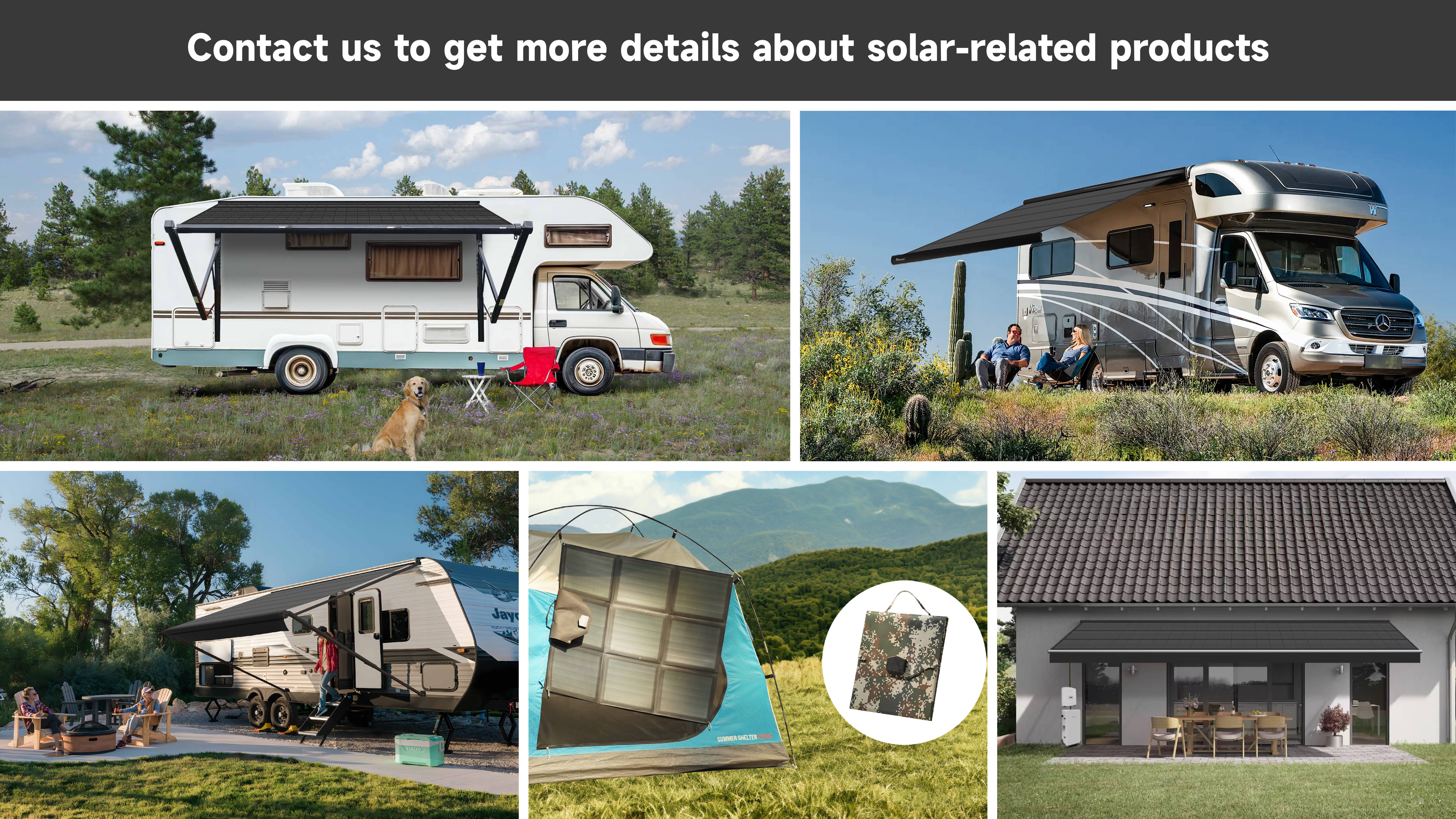
Les tonnelles solaires sont particulièrement intéressantes pour les séjours prolongés et dans des environnements ensoleillés. Si le véhicule récréatif est stationné pendant de longues périodes, la tonnelle peut remplir deux fonctions : créer de l’ombre et contribuer au système électrique du véhicule.
Pour les utilisateurs de camping-cars, une tonnelle solaire intégrale en caisson, telle que le modèle SA5900, s’intègre naturellement dans une structure plus fermée. Pour les utilisateurs de caravanes, les options solaires extensibles, telles que les modèles SA5600 ou SA5700, peuvent sembler plus pratiques, car elles allient une grande surface d’ombrage à la production d’énergie solaire.
La décision doit être prise en fonction de l'utilisation réelle. Si l'objectif est de soutenir le camping hors réseau, l'utilisateur doit réfléchir au système de batteries, aux conditions d'ensoleillement et à la manière dont la tonnelle s'intégrera dans l'installation électrique. Si l'objectif principal est simplement de créer de l'ombre sur un emplacement de camping stationnaire, une tonnelle classique à déroulement manuel pourrait déjà répondre à ce besoin.
L'énergie solaire est particulièrement intéressante lorsqu'elle correspond au style de voyage de l'utilisateur. Elle ne doit pas être considérée comme une amélioration automatique pour tous, mais peut constituer une caractéristique significative pour les campeurs qui passent régulièrement du temps loin d'une source d'alimentation électrique fixe.
Adapter la tonnelle à l'environnement
La neige, l'air côtier et une utilisation stationnaire à long terme orientent chacun vers une priorité différente. En cas de neige, la protection du système de rangement et une utilisation prudente sont primordiales. En zone côtière, l'exposition répétée et les habitudes de séchage prennent une importance accrue. Pour une vie stationnaire, la surface ombragée et le confort quotidien passent souvent en tête de la liste des critères.
Une toile d'auvent entièrement intégrée est généralement plus robuste lorsque l’utilisateur recherche une meilleure protection à l’état fermé. Un auvent déroulant est généralement plus robuste lorsque l’utilisateur souhaite disposer d’une plus grande surface habitable en extérieur. Les auvents solaires ajoutent une couche supplémentaire lorsque l’alimentation hors réseau revêt une importance particulière.
C’est pourquoi le meilleur choix d’auvent doit commencer par une question simple : à quel type d’exposition l’auvent sera-t-il le plus souvent soumis ? Un fourgon circulant sur des routes enneigées a des besoins différents de ceux d’une caravane stationnée pendant un mois près de la plage.
Conseil final
Si vous campez dans des environnements enneigés ou côtiers, prenez en compte la manière dont l’auvent est protégé lorsqu’il est fermé, ainsi que la facilité avec laquelle il peut être maintenu au sec et propre. Une toile d’auvent entièrement intégrée constitue souvent le choix le plus rassurant dans ces conditions.
Si votre véhicule récréatif est utilisé pour une vie stationnaire à long terme, un auvent déroulant peut offrir l’ombrage et le confort extérieur dont vous avez besoin au quotidien. Si l’alimentation solaire fait partie de votre projet, choisissez l’orientation de l’auvent solaire qui s’adapte le mieux à votre véhicule et à votre installation énergétique.
La meilleure tonnelle pour camping-car pour les environnements exigeants n’est pas celle qui ignore l’environnement. C’est celle qui s’y intègre.