
 EN
EN
 FR
FR DE
DE JA
JA KO
KO RU
RU ES
ES AR
AR IT
IT
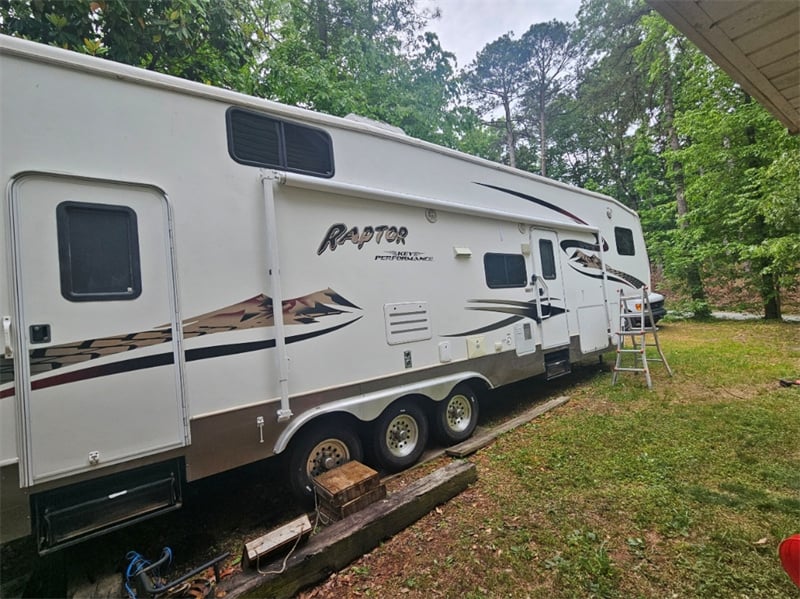
Many RV owners buy a new awning by looking only at its length and price, which frequently leads to major installation issues. This RV awning selection guide introduces a proven 3-step method—RV Type → Mounting Location → Operation Style—to help you discover exactly how to choose the awning for your motorhome, caravan, or travel trailer.
1. Why Buying an RV Awning Based Only on Length and Price Is a Huge Mistake
A common mistake when replacing an awning is assuming: "My Trailer is 20 feet long, so an 18-foot awning will fit perfectly."
However, in real-world installation scenarios, the ultimate deciding factor for a perfect fit isn't simply "how long your vehicle is." Instead, it boils down to your specific vehicle layout, available wall clearance, and your personal camping habits. Making a blind purchase can lead to extreme installation difficulties, sizing mismatches, and can even pose severe safety hazards while cruising on the highway.
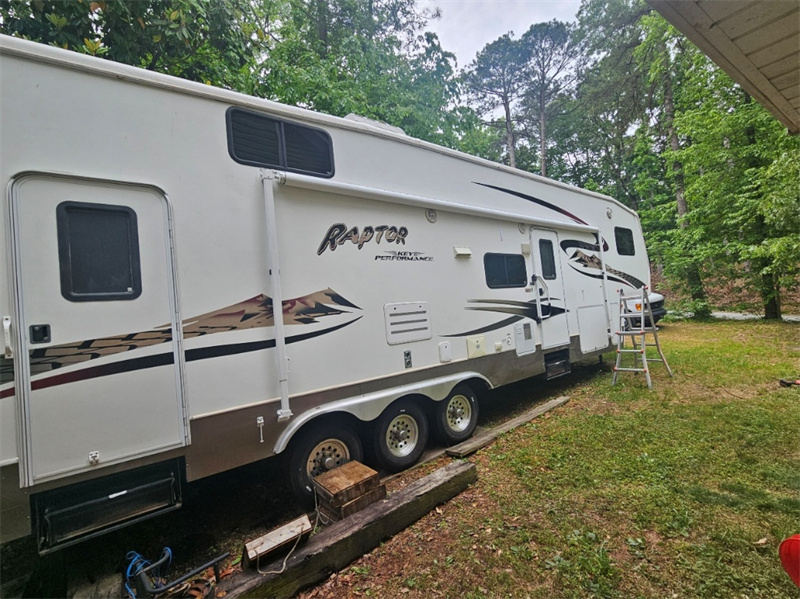
To help you navigate this process and make the right decision, we have broken down the ultimate RV awning selection guide into a simple, practical 3-step method: RV Type → Mounting Location → Operation Style.
2. Step 1: Confirm Your RV Type
Different vehicle bodies have drastically different load capacities and spatial restrictions:
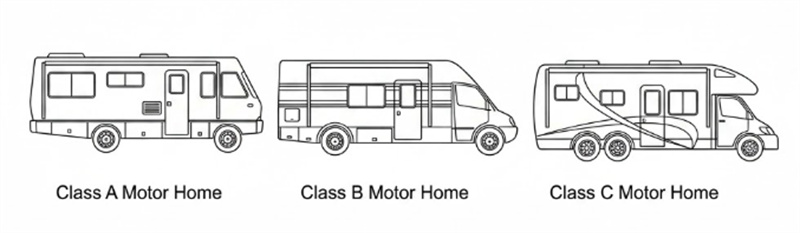
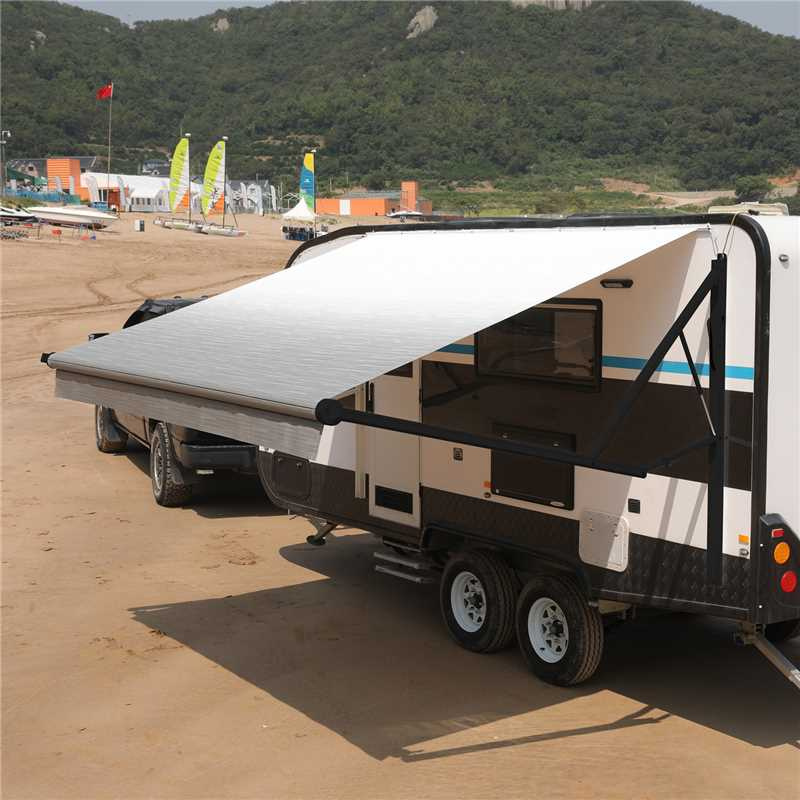
Class A Motorhomes: These large trailers feature flat side walls with plenty of mounting room, making them perfect for large patio awnings. However, you must verify that your slide-outs won't block the awning fabric when extended.
Class B Camper Vans: Due to curved rooflines and minimal flat space, standard wall-mount brackets rarely work. Owners should focus specifically on specialized Class B camper van awning options, such as compact, lightweight cassette awnings.
Class C Motorhomes: Side walls are often crowded with windows, storage bays, and vents. You must ensure the support arms do not block entry doors or critical access points.
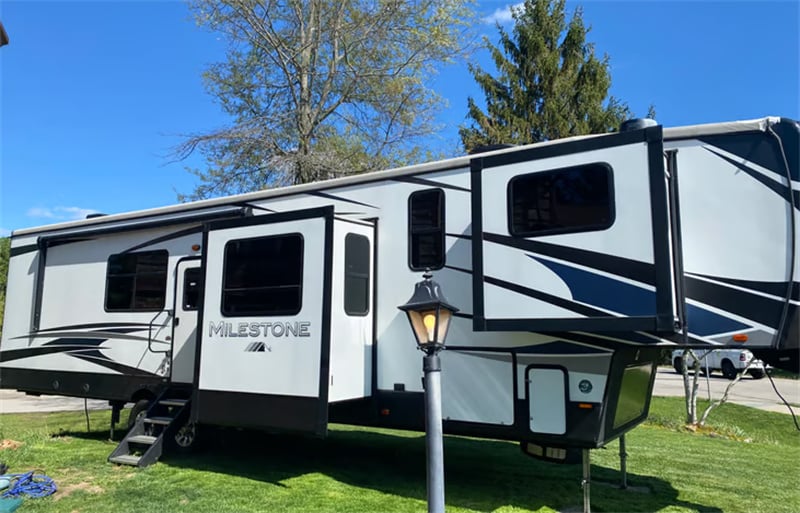
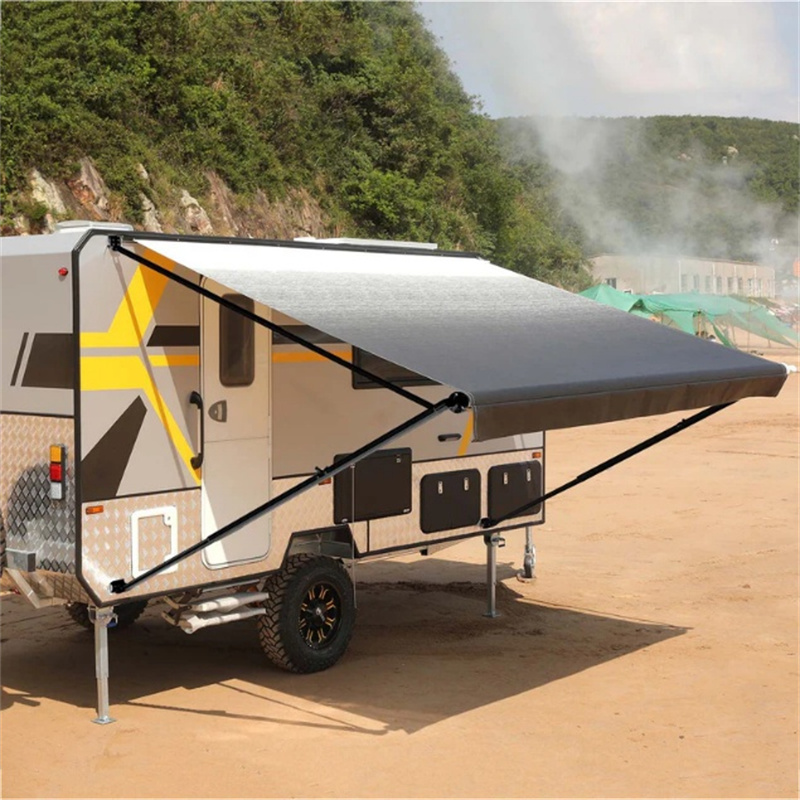
Trailers with Slide-outs: It is vital to understand slide-out topper vs patio awning functions. A patio awning shades your outdoor living space along the side of the vehicle, whereas a slide-out topper mounts strictly on top of the slide-out box to protect it from water, leaves, and debris.
3. Step 2: Measure Your Mounting Points
Never order blindly. Grab a tape measure and complete this quick RV awning measurement guide checklist to guarantee a smooth installation:
Base Wall Inspection: Check for a flat, unobstructed area on your side wall where mounting brackets can safely anchor, keeping completely clear of trim, exterior lights, and outdoor speakers.
Standardized Measurement Rules:
Patio Awning: Measure the center-to-center (C-to-C) distance between the two planned mounting arms.
Slide-Out Topper: Measure the total width of the slide-out box from the outer edges of the flange (flange to flange).
Replacement Fabric: Measure the exact total length of your roller tube and the width of your current fabric.
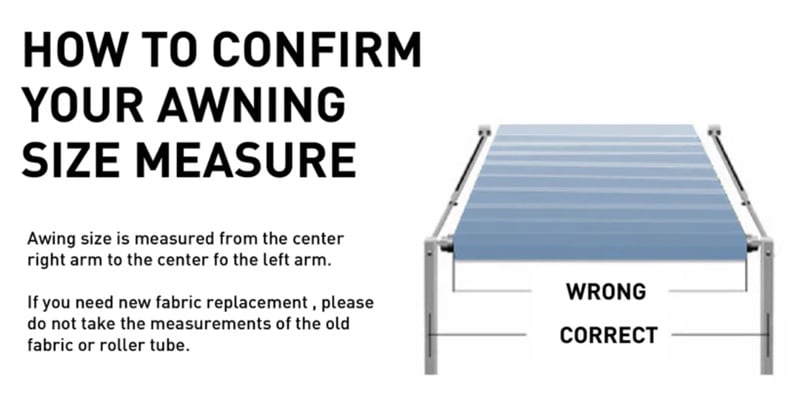
Obstruction Check: Verify that the support arms will not block your storage bay doors when fully opened, and that the housing will not cover or crush any appliance exhaust vents when retracted.
4. Step 3: Choose Your Operation Mode — Manual vs. Electric RV Awning
Your choice of control system comes down to your personal budget and camping frequency. Here is a direct breakdown of manual vs electric RV awning models:
|
Comparison |
Manual RV Awning |
Electric RV Awning (12V) |
|
Best For |
Budget-conscious owners, low-frequency campers, long-term stationary park setups, and DIY enthusiasts. |
Generous budgets, frequent travelers, solo campers, large Class A owners, and those camping in high-wind/changeable weather areas. |
|
Key Advantages |
1. Lower upfront and installation costs. 2. Simple mechanical build with no motors or wiring to fail. 3. Minimal long-term maintenance and zero electronic wear. |
1. Effortless, single-user operation with the push of a button. 2. Easily deploys long, heavy, large-scale awnings. 3. Can be upgraded with smart wind sensors or integrated LED light strips. |
|
Considerations |
1. Requires manual physical effort to extend and retract every time. 2. Cannot be retracted quickly during sudden storms or heavy winds. |
1. Requires routing to a 12V power supply, making installation trickier. 2.Motors and electronic control modules may require maintenance down the road. |
Pro Tip: Neither style is universally superior. If you value mechanical simplicity and affordability, stick with a manual crank. However, if you move campsites frequently, the convenience of a 12V electric motor is absolutely worth the investment.
5. Extra Details to Consider Before Buying
Fabric Selection: Look for heavy-duty vinyl or acrylic that offers excellent waterproofing, UV blockage, and weather resistance. If you frequently camp under trees, consider how easily the material handles sap, falling leaves, and bird droppings.
Color Choice: Darker shades hide dirt and look sleek, though they can absorb more heat. Lighter colors stay brighter and crisper but reveal stains and grime much faster.
DIY vs. Professional Installation: While minor fabric replacements or small manual kits can be tackled as a DIY project, you should hire a professional installer if you are setting up a large electric system or are unsure if your side wall has enough structural backing.
6. Discover Your Match with Awnlux
If you are still searching for the right fit, Awnlux delivers a comprehensive, premium line of shade solutions tailored to the exact parameters outlined above:
The Awnlux Advantage
Complete Product Matrix: Offering everything from manual and electric patio awnings to rugged slide-out toppers and universal replacement fabrics.
Universal Compatibility: Engineered to fit various motorhome classes, travel trailers, and specialty slide-out models.
Expert Sizing Support: Unsure about your measurements? Send a photo of your caravan and your tape-measure data to the Awnlux team, and their technical support specialists will match you with the exact model you need.
Comprehensive Service & Support
Awnlux provides step-by-step guidance through your entire purchase, shipping, and setup journey.
Email: [email protected]
Official Website: www.awnlux.com
B2B/Pro Shop: www.awnluxpro.com
Phone: +86-21 57793893
YouTube Channel: Awnlux RV Awning on YouTube
Conclusion
How to choose RV awning? The secret to a flawless upgrade is simple: check your vehicle class, physically measure your mounting clearances, and select your preferred power style. Skip the guesswork, stay away from one-size-fits-all traps, and choose a setup built to handle the open road!
Get in touch
Table of Contents
- 1. Why Buying an RV Awning Based Only on Length and Price Is a Huge Mistake
- 2. Step 1: Confirm Your RV Type
- 3. Step 2: Measure Your Mounting Points
- 4. Step 3: Choose Your Operation Mode — Manual vs. Electric RV Awning
- 5. Extra Details to Consider Before Buying
- 6. Discover Your Match with Awnlux
- Conclusion