
 EN
EN
 AR
AR HR
HR CS
CS NL
NL FI
FI FR
FR DE
DE EL
EL HI
HI IT
IT JA
JA KO
KO NO
NO PL
PL PT
PT RO
RO RU
RU ES
ES SV
SV TL
TL ID
ID SR
SR SL
SL UK
UK VI
VI SQ
SQ HU
HU MT
MT TH
TH TR
TR MS
MS AZ
AZ KA
KA LO
LO MN
MN KK
KK KY
KY UZ
UZ
Con il graduale abbassamento delle temperature, i veicoli ricreazionali (RV) entrano nella fase di utilizzo invernale, spingendo molti proprietari di RV a chiedersi: è ancora necessario installare la tenda da sole dell’RV durante la stagione fredda? Secondo la percezione della maggior parte delle persone, le tende da sole sembrano essere utili soltanto d’estate, ad esempio per proteggere dall’intenso calore del sole, riparare dalla pioggia leggera o ampliare lo spazio esterno dedicato al relax. Tuttavia, sono davvero inutili in inverno? Questo articolo analizzerà se l’utilizzo della tenda da sole sia ancora vantaggioso durante l’inverno e come mantenerla in modo più scientifico, trattando tre aspetti: scenari di utilizzo, rischi per la sicurezza e metodi di manutenzione.
i. L’impatto del clima invernale sulle tende da sole degli RV
L'impatto del clima invernale sulle tende da sole per camper è molto più complesso di quanto immaginiamo. Durante la stagione fredda, fattori quali le basse temperature, la pressione della neve, l'umidità e la formazione di ghiaccio possono danneggiare potenzialmente la struttura, il tessuto e il sistema meccanico della tenda da sole per caravan. Se non si comprendono adeguatamente gli effetti del clima invernale sulle tende da sole per camper, ciò potrebbe ridurne la durata operativa e persino comportare rischi per la sicurezza.
Innanzitutto, le basse temperature influiscono direttamente sulla flessibilità del tessuto della tenda da sole per camper. Tessuti comuni come il PVC e il poliestere diventano significativamente rigidi e perdono elasticità in ambienti a bassa temperatura. Se vengono forzati ad aprirsi o arrotolarsi a temperature inferiori a zero gradi, i tessuti potrebbero sviluppare pieghe, crepe o addirittura danni. Pertanto, nell'utilizzo delle tende da sole per camper in condizioni climatiche fredde, è necessario prestare particolare attenzione all'impatto della temperatura sull'indurimento dei tessuti.
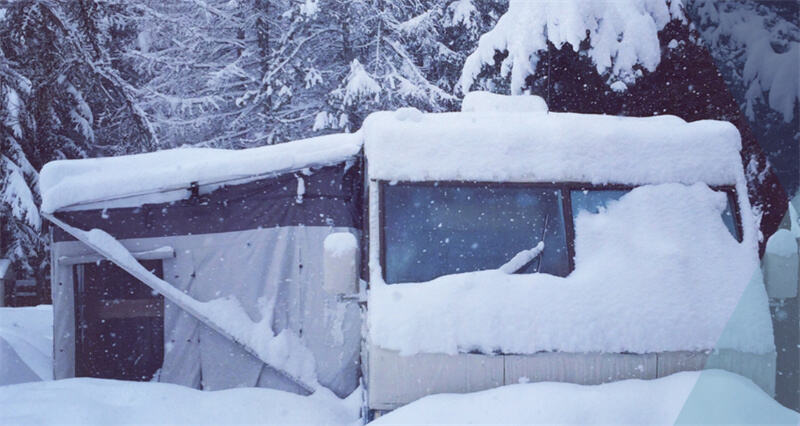
In secondo luogo, l'accumulo di neve e ghiaccio genera seri stress strutturali. Le tende da sole per camper non sono progettate essenzialmente per sopportare carichi, in particolare quelle a estrazione manuale o elettriche prive di gambe di supporto. Quando la neve si accumula o si forma del ghiaccio, il peso si concentra e grava sui tessuti e sulle barre anteriori, causando potenzialmente il cedimento del tessuto, la deformazione dei bracci di supporto o addirittura la rottura della struttura. Se la neve non viene rimossa per un lungo periodo durante l'inverno, il sistema meccanico della tenda da sole potrebbe inoltre malfunzionare a causa della deformazione indotta dalla pressione.
In terzo luogo, anche il problema dell'umidità invernale non va trascurato. Se l'acqua residua sul tessuto dopo lo scioglimento della pioggia e della neve non evapora tempestivamente a basse temperature, è molto probabile che si sviluppi della muffa. Quando il tessuto viene arrotolato, l'umidità rimane intrappolata all'interno, accelerando così l'invecchiamento del materiale e compromettendone le prestazioni nella stagione successiva. Questa situazione è particolarmente comune nelle regioni fredde e umide.
In conclusione, l'impatto del clima invernale sulle tende da sole per camper è multifattoriale: la fragilità indotta dalle basse temperature, il carico di pressione della neve, la formazione di muffa dovuta all'umidità e il calo delle prestazioni del sistema meccanico possono tutti compromettere l'utilizzo normale. Pertanto, nell’uso o nella gestione delle tende da sole durante l’inverno, gli utenti di camper devono agire con maggiore cautela e adottare opportune misure di manutenzione per garantire sicurezza e durata delle tende da sole per caravan.
iI. Le tende da sole per camper sono necessarie in inverno?
Quando si parla di tende da sole per camper, il primo pensiero di molte persone è la protezione dal sole estivo. Tuttavia, le tende da sole per camper svolgono comunque un ruolo molto importante nei viaggi in camper e nel campeggio all'aperto anche durante l'inverno. Molti proprietari di camper «richiudono» le loro tende da sole in inverno, perdendo così il vero valore che queste offrono nella stagione fredda.
1. L’angolo più basso del Sole in inverno rende l’ombreggiatura ancora più importante
L'angolo del sole è più basso in inverno. Sebbene la temperatura sia fredda, la luce solare diretta rimane comunque abbagliante, in particolare al mattino e alla sera durante l'inverno. I proprietari di veicoli ricreazionali (RV) noteranno che i raggi solari a basso angolo penetrano più facilmente nell'RV, causando sbalzi di temperatura, abbagliamento e affaticamento visivo all'interno. Le tende da sole per RV bloccano efficacemente la luce solare a basso angolo in inverno, mantenendo una luce più morbida all'interno e migliorando il comfort durante il viaggio.
2. Protezione di base contro gelo e neve.
Molti tessuti per tende da sole di marche note sono impermeabili e resistenti alla muffa. In inverno, arrotolando la tenda da sole dell'RV si può impedire che neve leggera o brina cadano sulla zona della porta dell'RV, evitando superfici scivolose e potenziali cadute dovute agli ingressi e uscite frequenti.
3. Migliorare il calore utilizzando un'appendice
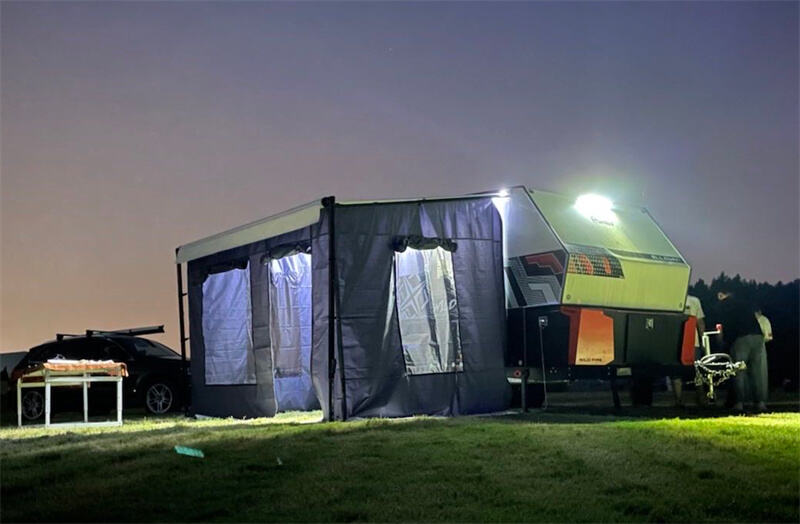
In inverno, quando combinato con accessori aggiuntivi come pareti laterali, pannelli frontali e altri accessori, il tendalino può essere trasformato in un'area di riposo semi-chiusa, riducendo significativamente l'ingresso dell'aria fredda. Questa soluzione è estremamente pratica per il campeggio in RV: gli utenti possono cucinare, bere il caffè sotto l'accessorio aggiuntivo e riporre l'attrezzatura sotto il tendalino senza doversi preoccupare di forti venti o improvvisi acquazzoni o nevicate.
4. Precauzioni per l'uso dei tendalini per RV in inverno
Evitare di arrotolare per lunghi periodi il tendalino per RV in presenza di neve abbondante o forti venti;
Assicurarsi che il tessuto del tendalino sia asciutto prima di richiuderlo in inverno, per evitare che si ghiacci;
Controllare regolarmente la tensione del tessuto, dei bracci e delle altre parti;
Se si utilizza un tendalino solare per RV (ad esempio la serie Awnlux Solar), assicurarsi che i pannelli siano privi di neve, che potrebbe compromettere la produzione di energia.
Le tende da sole per camper RV non vengono utilizzate solo d’estate, ma svolgono un ruolo fondamentale anche in inverno, regolando la luce, proteggendo dal vento e dal gelo e migliorando il comfort all’aperto. Con un utilizzo e una manutenzione corretti, la tenda da sole per camper RV diventerà un compagno affidabile per i vostri viaggi e campeggi invernali.
ⅲ. Guida all’utilizzo e alla manutenzione delle tende da sole per camper RV in inverno
Quando si utilizza una tenda da sole per camper RV in inverno, è necessario prestare particolare attenzione ai seguenti punti, poiché influiscono direttamente sulla durata e sulla sicurezza della tenda.
1. Prestare attenzione alle condizioni meteorologiche ed evitare rigorosamente l’accumulo di vento e neve
L'intenzione originaria della progettazione di una tenda da sole è fornire ombra, non protezione contro condizioni meteorologiche avverse come pioggia, neve e forti venti. In presenza di nevicate abbondanti, la neve accumulata sulla tela continuerà ad aumentare, superando facilmente il limite di carico del supporto, causando danni alla tela oppure deformazioni o danni al supporto. Pertanto, in caso di neve, è necessario rimuovere tempestivamente la neve accumulata sulla tela oppure semplicemente non ritrarre la tenda da sole.
Analogamente, si raccomanda di ritrarre la tenda da sole in caso di forti venti, poiché il vento può esercitare una forza considerevole sulla tela e sul sistema di supporto, provocando facilmente danni.
2. Sviluppare l'abitudine corretta di inclinare le teli
Se occasionalmente vi trovate a dover utilizzare la tenda da sole in presenza di pioggia leggera durante l'inverno, assicuratevi che il telo sia inclinato, con un lato più alto e l'altro più basso. Potete regolare uno dei piedi in modo che risulti circa 10 centimetri più basso dell'altro. Ciò consente di deviare efficacemente l'acqua piovana o la neve fusa verso il basso, evitando accumuli sul telo.
3. Assicurarsi che i piedi siano saldamente fissati
Dopo aver aperto la tenda da sole, assicuratevi di utilizzare i picchetti per fissare saldamente i piedi al suolo. In inverno, il terreno può indurirsi a causa del gelo; si raccomanda pertanto di scegliere chiodi specifici per terreni ghiacciati oppure di conficcare i picchetti obliquamente nel terreno, con un certo angolo, per aumentarne l’aderenza. Qualora il terreno del campeggio non consenta l’uso di picchetti, i piedi devono comunque essere bloccati mediante le fibbie di fissaggio fornite dal veicolo.
4. L’utilizzo a basse temperature deve avvenire con delicatezza
In ambienti a bassa temperatura, il materiale della tela (solitamente plastica in vinile) diventa rigido e fragile. Pertanto, durante l’apertura o la chiusura della tenda da sole, i movimenti devono essere delicati e lenti, evitando di tirare o strappare con forza; altrimenti si rischia facilmente di provocare lacrime sulla tela o scheggiature sul rivestimento.
5. Assicurarsi di riporre la tenda da sole prima di lasciare l’auto o di andare a dormire
Indipendentemente dalle condizioni meteorologiche, si raccomanda vivamente di richiudere la tenda da sole prima di lasciare il veicolo ricreazionale (RV) o di andare a dormire di notte. Il tempo invernale è imprevedibile e improvvise raffiche di vento o nevicate notturne possono danneggiare le tende da sole lasciate incustodite.
iV. Estensione: come mantenere la tenda da sole durante l’inverno quando non è in uso?
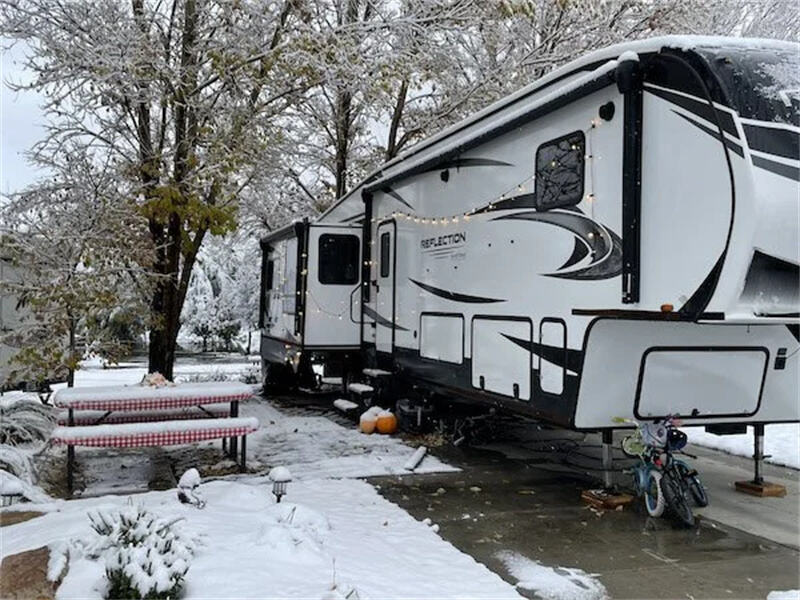
Anche se il rigido clima invernale non è adatto a un utilizzo frequente della tenda da sole per camper, ciò non significa che possiamo lasciarla chiusa a lungo termine senza alcuna manutenzione. Al contrario, la tenda da sole richiede una manutenzione ancora più accurata durante l'inverno. In caso contrario, quando pianificherete un viaggio primaverile, potreste riscontrare inconvenienti fastidiosi come muffe, cattivi odori e invecchiamento del tessuto. Pertanto, durante il periodo di stoccaggio invernale, si raccomanda ai proprietari di camper di adottare le seguenti misure di manutenzione.
Innanzitutto, effettuare regolarmente l’aerazione. Dopo aver arrotolato la tenda da sole, se all’interno è presente umidità residua, si crea un ambiente relativamente chiuso e umido, ideale per la formazione di muffe. Anche qualora non si utilizzi la tenda da sole per un lungo periodo, è consigliabile dispiegare completamente la tenda del veicolo ricreazionale ogni 2–4 settimane per favorire la circolazione dell’aria, il che contribuisce a eliminare umidità e odori. È preferibile eseguire questa operazione in una giornata soleggiata verso mezzogiorno, poiché non solo i risultati saranno migliori, ma si eviterà anche che il tessuto si danneggi diventando fragile a basse temperature.
In secondo luogo, utilizzare uno spray impermeabilizzante per riapplicare uno strato protettivo sul tessuto della tenda da sole. Una volta iniziato l'inverno, pioggia, neve, venti freddi e raggi ultravioletti continuano ad accelerare l'invecchiamento del tessuto della tenda da sole. In particolare, i tessuti in PVC e poliestere, molto comuni, tendono a perdere le proprie caratteristiche impermeabilizzanti a causa delle escursioni termiche e dell'umidità tipiche dell'inverno. Pertanto, dopo aver pulito e asciugato il tessuto, è possibile spruzzarlo con un apposito agente protettivo impermeabilizzante e antimuffa per camper. Questo prodotto forma una pellicola protettiva sulla superficie, bloccando efficacemente la penetrazione dell'umidità ed estendendo la durata dello strato impermeabilizzante, garantendo così che la tenda da sole del camper rimanga in ottime condizioni anche nell'anno successivo.
Terzo, pulire accuratamente e asciugare completamente la tenda da sole prima di riporla. Molti proprietari di camper arrotolano la tenda da sole per riporla direttamente al termine della stagione autunnale di campeggio, trascurando i problemi causati da foglie cadute, polvere e residui di insetti. Quando l’anno successivo la tenda viene nuovamente aperta, sul tessuto compaiono già macchie nere di muffa e si avverte persino un odore di muffa. Pertanto, prima dell’inutilizzo stagionale, il tessuto della tenda da sole deve essere pulito accuratamente con una spazzola morbida o con un detergente neutro e quindi lasciato asciugare naturalmente, per assicurarsi che non rimanga alcuna umidità residua.
V. Conclusione
L’inverno non significa che la tenda da sole non possa essere utilizzata affatto; piuttosto, richiede una valutazione più attenta delle condizioni meteorologiche. In giornate soleggiate, senza vento e prive di neve, la tenda da sole del camper può comunque migliorare il comfort della vita in camper e mantenere caldo lo spazio esterno.
Indice
- i. L’impatto del clima invernale sulle tende da sole degli RV
- iI. Le tende da sole per camper sono necessarie in inverno?
- ⅲ. Guida all’utilizzo e alla manutenzione delle tende da sole per camper RV in inverno
- iV. Estensione: come mantenere la tenda da sole durante l’inverno quando non è in uso?
- V. Conclusione