
 EN
EN
 FR
FR DE
DE JA
JA KO
KO RU
RU ES
ES AR
AR IT
IT
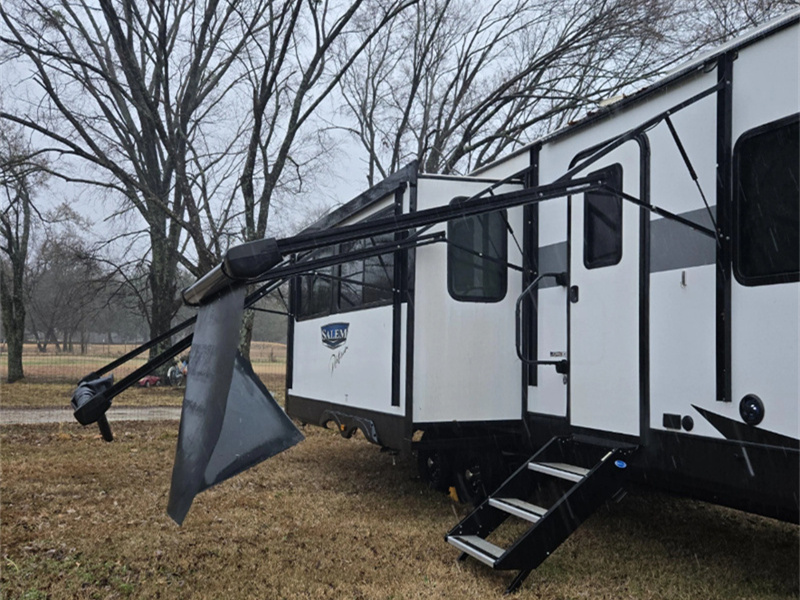
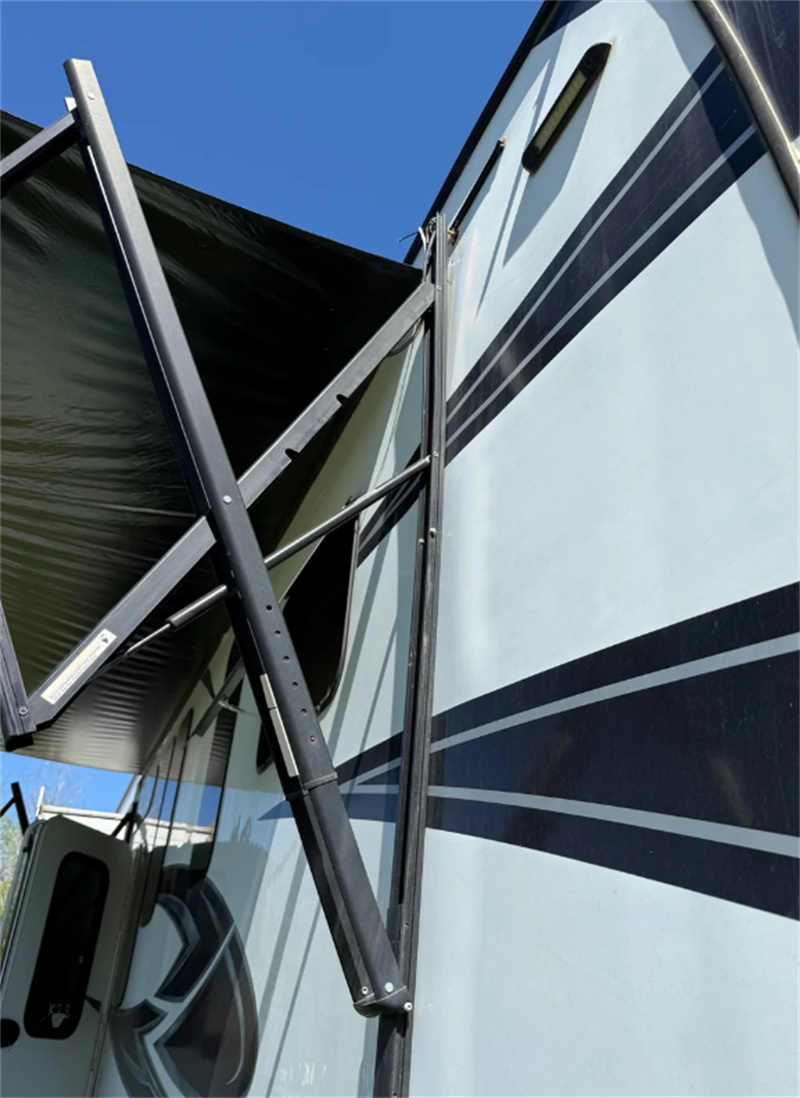
Why Did My RV Awning Fall Off the Wall?
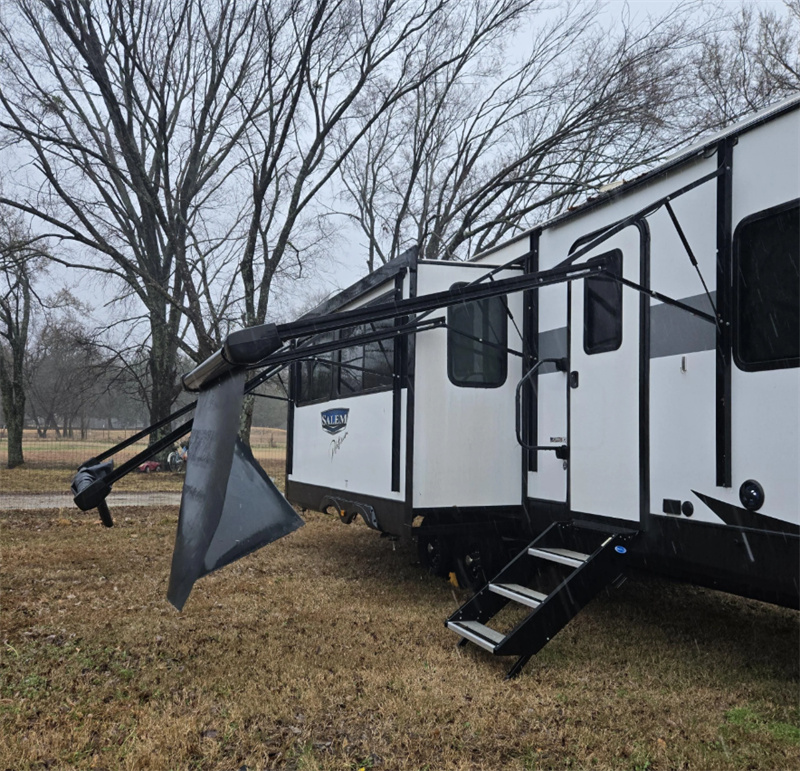
An RV awning is designed to create a comfortable outdoor living space, but some RV owners eventually face a frustrating problem: the RV awning fell off the wall, the awning detached from the RV, or the mounting rail pulled away from the sidewall.
When an awning suddenly separates from the RV, many owners assume the awning itself failed. However, most RV awning failures are caused by a combination of factors, including installation issues, excessive wind loads, water damage, aging components, or improper maintenance.
Understanding the reasons behind an RV awning mounting failure can help prevent expensive repairs and improve long-term RV safety.
Common Reasons an RV Awning Detaches From the RV
1. Improper Installation or Weak Mounting Points
One of the most common causes of an RV awning falling off the wall is incorrect installation.
An RV awning system depends on several important components working together:
- Awning rail
- Mounting brackets
- Support arms
- Fasteners
- RV wall structure
If screws are installed into areas without enough structural support, the connection may weaken over time.
Common installation mistakes include:
- Using incorrect screws or fasteners
- Missing support components
- Improper bracket positioning
- Loose mounting hardware
- Poor alignment between the awning rail and brackets
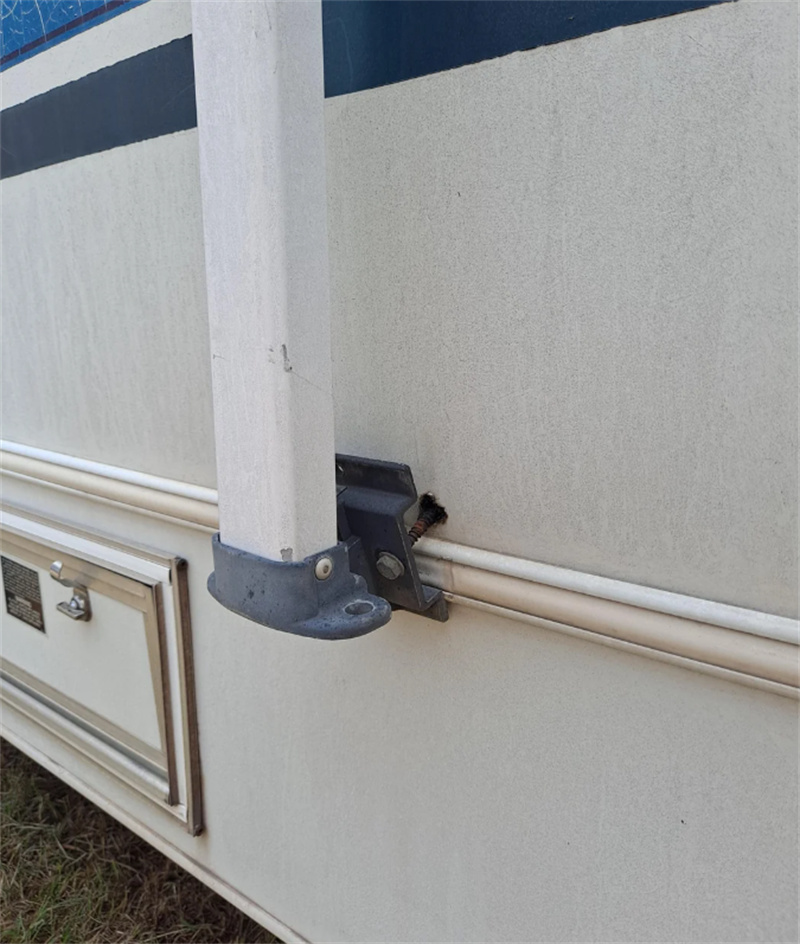
The awning may look secure after installation, but repeated road vibration and daily use can gradually increase stress on the mounting points.
2. Strong Wind and Excessive Weather Exposure
Wind is one of the biggest threats to RV awning safety.
When an awning is fully extended, it creates a large surface area that catches wind. Strong gusts can create significant pulling force on the awning arms and mounting points.
Large RV awnings are especially affected by wind because the larger the fabric area, the greater the force transferred to the mounting system. This is why proper installation, strong support components, and responsible operation are equally important for RV awning safety.
Awning damage is more likely when:
- The awning remains open during storms
- The RV is parked in an exposed area
- Strong crosswinds repeatedly shake the awning
- The owner leaves the RV unattended with the awning extended
Even a well-installed RV awning is not designed to withstand every extreme weather condition.
For better safety, always retract your awning during strong winds, storms, or when leaving your campsite.
3. Water Damage Behind the RV Wall
Sometimes the problem is not the awning itself but the RV wall behind it.
Water can enter around the awning rail and slowly damage the internal structure. Over time, weakened materials may no longer provide enough support for the mounting hardware.
Warning signs include:
- Soft areas around the awning rail
- Loose screws that cannot tighten properly
- Interior wall discoloration
- Gaps between the awning rail and RV wall
If the mounting area is damaged, simply reinstalling the awning may not solve the problem. The RV structure should be inspected and repaired first.
Before installing a replacement awning, always check that the mounting surface is strong and stable. A common mistake is focusing only on the damaged awning itself while ignoring the RV structure behind it. A new awning installed on a weakened wall may experience the same failure again. Proper inspection of the RV sidewall should always be part of the replacement process.
4. Age, Road Vibration, and Component Wear
RV awnings experience stress every time the vehicle travels.
Road vibration, temperature changes, and repeated opening and closing cycles can gradually affect:
- Screws
- Brackets
- Awning arms
- Mounting connections
Older RVs, including many popular travel trailers and fifth wheels, should receive regular awning inspections to identify potential issues before failure occurs.
How to Prevent RV Awning Mounting Failure
Inspect Your Awning Regularly
A simple inspection can help prevent major damage.
Before long trips, check:
- Awning rail attachment points
- Bracket condition
- Loose screws
- Signs of movement or separation
- Water damage around the mounting area
Early detection is often the difference between a small adjustment and a major repair.
Use a Properly Designed RV Awning System
When replacing an old or damaged awning, choosing the right system is important.
A reliable RV awning should provide:
- Strong structural design
- Durable materials
- Stable mounting components
- Smooth operation
- Proper support for long-term use
For RV owners looking for a replacement solution, Awnlux RV awnings are designed with durability, practical installation, and everyday RV use in mind.
Awnlux offers a wide range of RV awning solutions, including:
- Manual RV awnings
- Electric RV awnings
- Full-cassette awning systems
- RV slide toppers
- Custom awning solutions
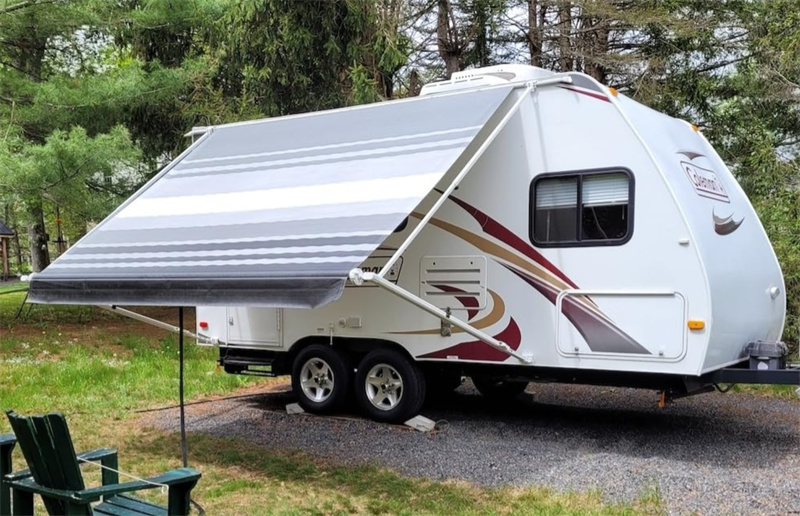
With a focus on manufacturing quality and compatibility, Awnlux awnings are developed for RV owners, dealers, and service professionals who need reliable replacement options.
Why Consider Awnlux When Replacing an RV Awning?
If your RV awning has detached from the wall or the existing system has reached the end of its service life, replacing only damaged parts may not always be the best long-term solution.
A complete replacement awning can help provide better reliability.
A new awning system reduces the risk associated with worn-out components, aging fabric, and damaged mounting parts.
Awnlux focuses specifically on RV shade solutions, offering products designed around common RV installation needs. Whether you are replacing a manual awning, upgrading to an electric awning, or installing a solution for a repair business, different sizes and configurations are available. Before installation, always inspect the RV wall structure and confirm that the mounting surface is strong enough for the new awning system.
Frequently Asked Questions About RV Awning Failures
Q: Can an RV awning really fall off the wall?
A: Yes. An RV awning can detach from the RV wall if mounting points become weak due to improper installation, weather damage, water intrusion, or long-term wear.
Q: Is the awning itself usually the problem?
A: Not always. Many failures are related to mounting hardware, RV wall structure, or installation conditions rather than the awning fabric or mechanism itself.
Q: How can I make my RV awning safer?
A: Regular inspections, proper installation, avoiding severe weather exposure, and choosing a reliable awning system can significantly reduce the risk of failure.
Many Forest River owners also search for information about Forest River awning safety after experiencing an awning mounting problem.
While the RV brand and model matter, awning safety depends on several factors:
- Installation quality
- Wall construction
- Awning size
- Weather conditions
- Maintenance history
The same principles apply to Forest River, Keystone, Jayco, and other RV brands.
A properly installed awning combined with regular inspection can significantly reduce the risk of an RV awning mounting failure.
An RV awning falling off the wall is usually the result of multiple factors rather than a single sudden failure.
To reduce the risk of an awning detached from RV situation:
- Inspect mounting points regularly
- Check for water damage
- Avoid using the awning during severe weather
- Maintain brackets and hardware
- Choose a reliable replacement awning system
A few minutes of preventive inspection can help protect your RV investment and keep your outdoor space safe.
Upgrade Your RV Awning With Awnlux
If you need a reliable RV awning replacement, explore Awnlux's full range of RV awning solutions.
Shop RV awnings here: https://www.awnluxpro.com/
Awnlux Official Store: https://www.awnlux.com/
Awnlux Amazon Store:https://www.amazon.com/stores/AWNLUX/page/1D20AB53-21C3-4B87-9324-20D24A5D5E7D
Choose a durable RV awning solution designed for safer outdoor adventures.