
 EN
EN
 FR
FR DE
DE JA
JA KO
KO RU
RU ES
ES AR
AR IT
IT
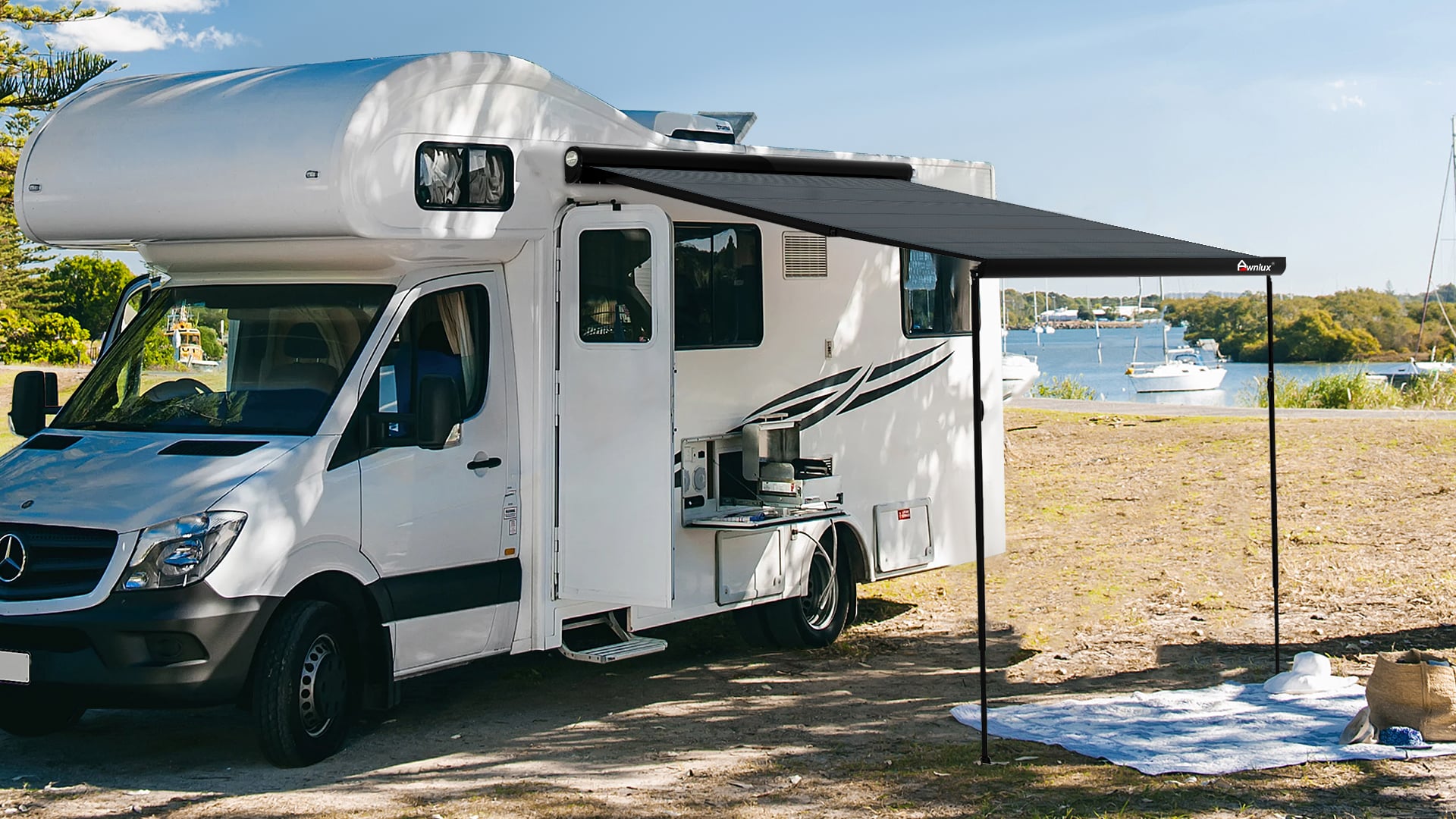
Awnings are often compared by fabric, size, and price, but the real ownership experience usually appears later. After the purchase, buyers start asking more practical questions. How difficult is the awning installation? Is the motor reliable in everyday use? If something breaks, can the user get replacement parts without replacing the entire awning?
This is why an Awnlux vs Solera comparison should go beyond the product page. For RV owners, dealers, and repair shops, installation and service support can be just as important as the awning’s appearance at the campsite.
A good awning should not only open smoothly on the first day. It should also be manageable, serviceable, and practical over time.
Installation Is Where the Real Fit Begins
The first test of any RV awning is whether it fits the vehicle properly. Awnings are installed on different body types, including vans, caravans, motorhomes, travel trailers, and slide-out sections. Each vehicle may have different mounting surfaces, available space, and structural requirements.
For buyers comparing brands, installation should be considered early. The question is not just whether an awning can be installed, but whether it can be installed cleanly, safely, and in a way that suits the vehicle’s long-term use.
Awnlux awning directions include wall-mounted, roof-mounted, roll-out, full cassette, slide topper, and solar awning options. That range gives buyers different installation paths depending on vehicle type. For example, a van owner may look at full cassette or roof-mounted directions, while a caravan owner may focus on roll-out options.
In any Solera comparison, the same logic should apply. Buyers should compare installation type, mounting position, vehicle compatibility, and service access rather than treating all awnings as interchangeable.
Bracket Compatibility and Vehicle Preparation
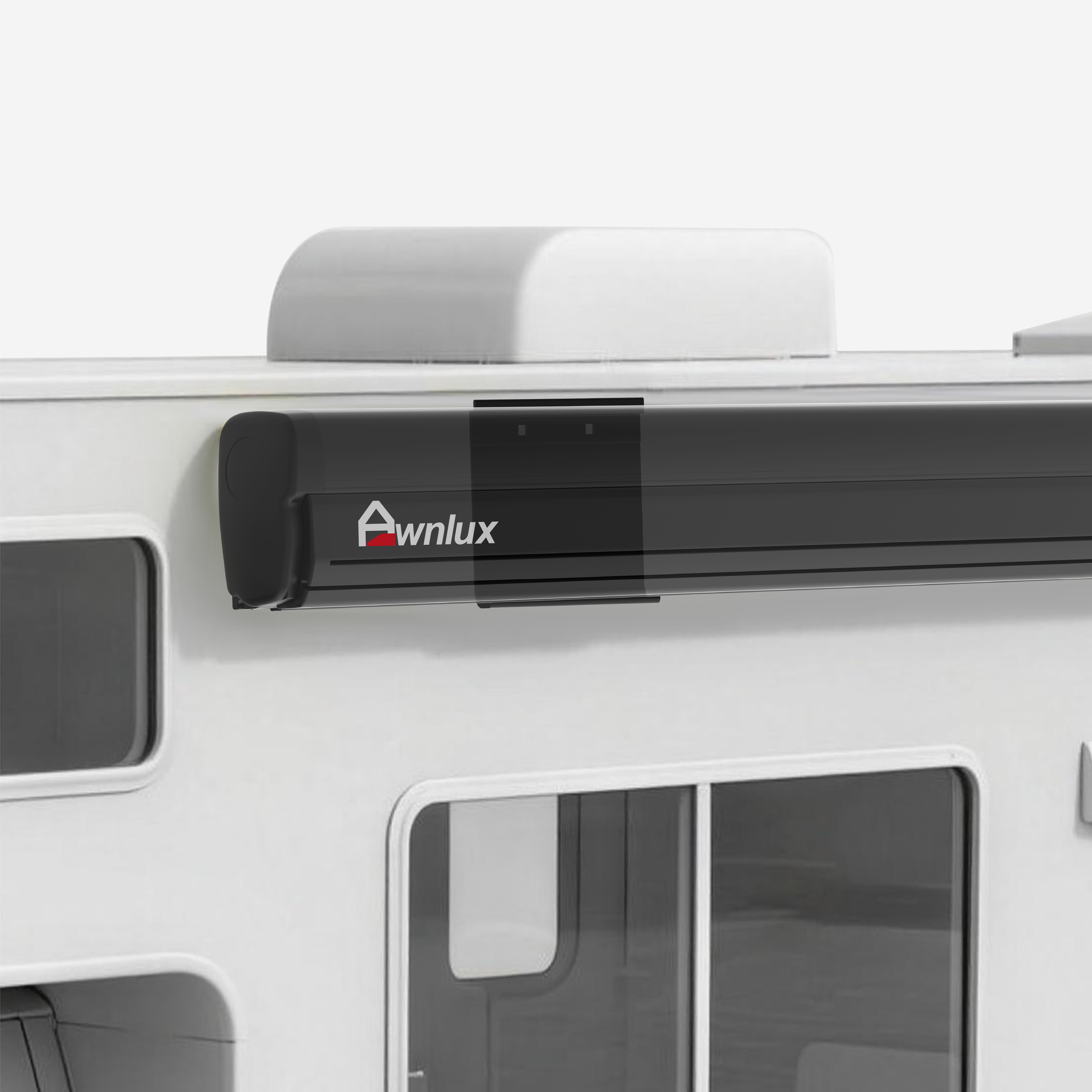
One of the practical issues in awning installation is bracket compatibility. If the vehicle already has mounting points from a previous awning, buyers naturally want to know whether the new awning can use them or whether additional work is required.
This is especially important for upgrades and replacements. Reusing compatible mounting positions can make installation cleaner, while incompatible holes may require sealing, reinforcement, or a new installation plan.
For buyers, the safest approach is to confirm the installation requirements before purchase. Vehicle body shape, awning size, wall strength, roof height, and existing mounting points should all be considered. This is even more important when upgrading from one brand to another.
A smooth installation is not only about convenience. It affects long-term stability and user confidence.
Solar Awnings Need Extra Planning
A standard awning installation is mostly mechanical. A solar awning adds electrical planning as well.
If the awning includes solar functionality, the buyer must consider cable routing, connector compatibility, controller requirements, and the RV’s battery system. This is where professional installation or technical guidance becomes more important.
A solar awning should be treated as part of the vehicle’s power setup, not only as an exterior shade product. The awning may look similar from the outside, but the electrical connection changes the installation process.
For users comparing Awnlux and Solera-style options, this distinction matters. If solar is part of the purchase decision, installation planning should include both the awning structure and the electrical system behind it.
Motor Reliability in Everyday Use
Electric awnings are attractive because they make operation easier. A remote control or switch can simplify campsite setup, especially for larger awnings. But buyers also want to know what happens if the motor does not respond.
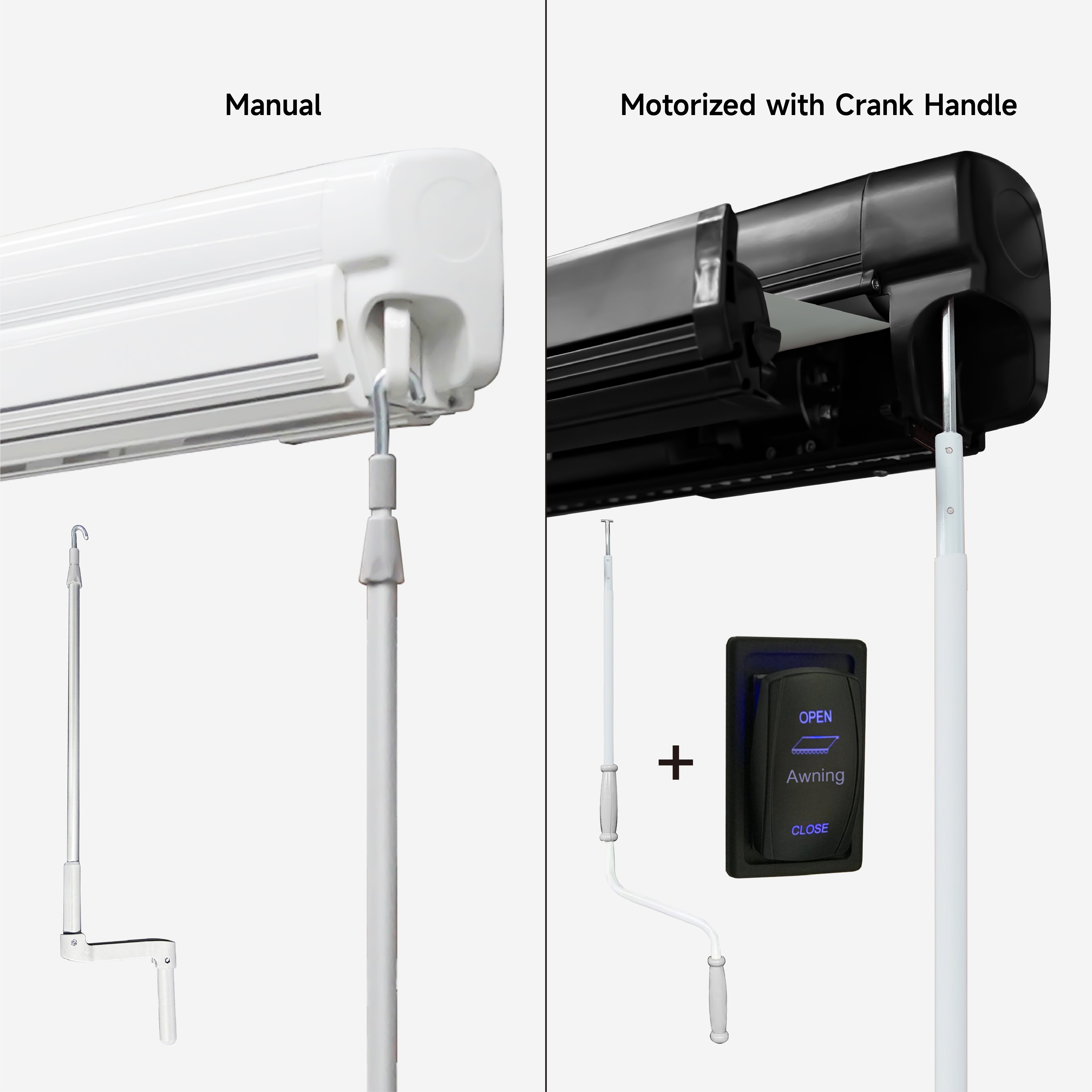
Motor reliability should be evaluated in practical terms. Does the awning have a backup method? Can the user retract it if there is a power issue? Are troubleshooting steps clear? Can the motor be replaced if needed?
For an electric awning, manual override is an important detail. It gives users a way to close the awning even if the electrical system is not operating normally. This matters because an awning may need to be retracted quickly when weather changes.
Awnlux electric awning directions include emergency manual operation in relevant models, which supports user confidence. In a Solera comparison, buyers should look for the same practical details rather than only comparing motorized convenience at the surface level.
Before Blaming the Motor, Check the System
When an electric awning does not move, the motor is not always the first or only cause. Battery voltage, wiring connections, control switches, and power supply conditions can all affect operation.
This is why troubleshooting should begin with the basics. Is the RV battery charged? Are the connections secure? Is there visible damage? Does the manual override work? These checks can help determine whether the issue is electrical, mechanical, or related to the motor itself.
For dealers and service teams, this kind of process matters. A clear troubleshooting path reduces confusion and helps users avoid unnecessary replacement.
An electric awning should be convenient, but it should also be serviceable.
Replacement Parts Define Long-Term Value
Replacement parts are one of the most important parts of long-term awning ownership. Fabric can be damaged. Arms can be affected by misuse or weather. Motors may eventually need attention. A front bar, support leg, or other component may require replacement after years of use.
For RV owners, the best outcome is simple: identify the awning model, confirm the damaged part, and obtain the correct replacement. For dealers and repair shops, this process affects customer satisfaction and service efficiency.
Awnlux supports replacement parts such as fabric, arms, and motors through a model-based confirmation process. This matters because it allows repairs to focus on the affected component rather than replacing the whole system unnecessarily.
When comparing with Solera or other brands, buyers should ask how replacement parts are identified, shipped, and supported. This question is especially important for B2B buyers managing multiple customer installations.
What Dealers Should Consider
For dealers, awning selection is not only about the initial sale. It is about the service experience that follows.
A product that is easy to explain, install, and support can reduce after-sales pressure. A product with unclear installation requirements or difficult replacement parts can create problems later, even if the initial price looks attractive.
This is why installation, motor reliability, and replacement parts should be part of the purchasing conversation from the beginning. They affect not only end users but also distributors, repair shops, and online sellers who need to support the product after delivery.
Final Advice
When comparing Awnlux vs Solera, look beyond the awning’s first impression. Installation compatibility, motor backup, troubleshooting clarity, and replacement parts availability all shape the long-term experience.
A good awning should fit the vehicle properly, operate smoothly, provide a backup method when needed, and allow damaged components to be replaced through a clear support path.
The best choice is not simply the awning that looks good when open. It is the one that remains practical after installation, through daily use, and when service is eventually needed.